

Table of Contents
- Understanding Food Texture Rejection in Children
- The Role of Oral Motor Skills in Texture Acceptance
- Common Texture Triggers and Why They Matter
- How to Introduce New Food Textures: Step-by-Step
- Safe Foods for Picky Eaters and Bridging Nutritional Gaps
- Managing Mealtime Stress and Parental Anxiety
- When to Seek Professional Support
- Frequently Asked Questions
Last Updated: September 3, 2026
Understanding Food Texture Rejection in Children
If you've watched your child push away a perfectly healthy meal because of its texture, you're not alone. Food texture rejection is one of the most common challenges parents face at mealtimes. Texture aversion isn't always about being "picky." Many children have genuine sensory sensitivities that make certain textures feel uncomfortable or even distressing. Understanding the mechanics behind it, the sensory processing differences, oral motor skills, and developmental stages, helps you make informed choices that work with your child's biology rather than against it.
Sensory Processing and Food Aversion
Sensory processing is how your child's brain receives, interprets, and responds to information from their senses. When it comes to eating, this includes touch, temperature, smell, and the sound food makes when chewed.
Some children have heightened sensory sensitivity, meaning their nervous system picks up sensations more intensely than others (peer-reviewed research). A texture that feels smooth to one child might feel slimy or overwhelming to another. This isn't stubbornness, it's neurology.
Food aversion develops when your child's sensory system flags a particular texture as "unsafe." Their brain sends a protective signal: reject this food. This response can be so strong that even the smell or sight of that texture triggers a gag reflex or complete refusal.
Sensory processing differences are real and valid. Your child isn't being difficult when they refuse mushy vegetables or crunchy foods. Recognising this shifts you from frustration to problem-solving.
Picky Eating vs. Sensory Issues
Not all texture rejection is the same, and distinguishing between picky eating and genuine sensory issues matters for how you respond.
Picky eating typically involves preference-based food refusal. Your child might refuse broccoli because they prefer pasta, but they'd happily eat broccoli with their favourite sauce. Sensory-based food rejection is different. Your child refuses a food primarily because of how it feels in their mouth, regardless of taste.
If your child's food rejection centres on texture rather than taste alone, you're likely dealing with a sensory component. Many children with sensory texture issues benefit from structured support. Some parents find that tools like the LittleVitz milk frothing wand help introduce nutrition in a texture their child actually tolerates, smooth, drinkable, and easy to manage.

The Role of Oral Motor Skills in Texture Acceptance
Your child's ability to accept different textures depends heavily on their oral motor skills, the coordination and strength of the muscles in their mouth, tongue, and jaw.
Oral motor skills develop gradually. A six-month-old can manage pureed foods. By twelve months, most children can handle soft, mashed foods. By two to three years, they're developing the chewing strength needed for more varied textures (the CDC).
If your child's oral motor skills are still developing, they may genuinely struggle with textures that require more advanced chewing. Sometimes what looks like texture rejection is actually your child telling you they're not ready for that texture yet. You can support oral motor development through play: blowing bubbles, drinking through straws, chewing on safe teething toys, and playing with textured objects all build the strength and coordination your child needs. As these skills improve, many children naturally become more comfortable with varied textures.
Common Texture Triggers and Why They Matter
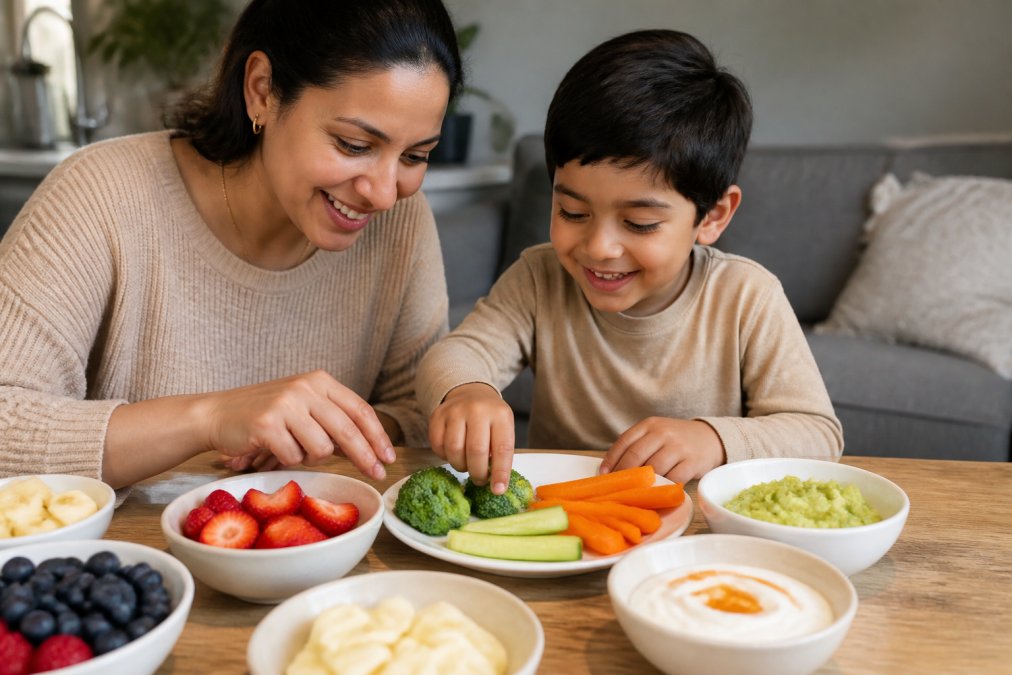
Certain textures consistently trigger rejection in children with sensory sensitivities. Slimy textures like yoghurt and jelly feel unpredictable in the mouth. Mushy textures like overcooked pasta can feel like the food is disintegrating. Crunchy textures like raw vegetables require significant chewing strength and produce loud sounds that overwhelm some children. Mixed textures like cereal with milk demand managing several sensations simultaneously. Thick or sticky textures like peanut butter can feel claustrophobic, whilst grainy or seedy textures feel unpredictable.
Understanding these triggers helps you make strategic choices. If your child struggles with crunchy textures, soft-cooked carrots might succeed where raw ones fail. These triggers tell you something important: your child's sensory system is working to protect them.
How to Introduce New Food Textures: Step-by-Step
Introducing new textures takes patience, but a structured approach works better than forcing the issue. The goal is gradual desensitisation, helping your child's sensory system become comfortable with new textures at their own pace.
The Gradual Exposure Method
Step 1: Start with observation, not eating. Let your child look at, smell, and maybe touch the new food before tasting it. Many children need multiple exposures before their nervous system stops treating it as a threat.
Step 2: Introduce touch without tasting. Once your child is comfortable looking at the food, encourage them to touch it. They might squish it, feel its temperature, or play with it on their plate.
Step 3: Reward exploration, not consumption. Praise your child for touching, smelling, or bringing the food near their mouth, even if they don't eat it. This removes pressure and makes texture exploration feel safe.
Step 4: Introduce the texture in a safer context. Once your child is comfortable with the texture itself, introduce it in a food they already like.
Step 5: Pair new textures with familiar foods. Mix a small amount of the new texture with foods your child already accepts, providing a "safety net."
Step 6: Gradually reduce the ratio. Over weeks or months, slowly increase the proportion of the new texture whilst decreasing the familiar food.
This method works because it respects your child's nervous system. You're not forcing acceptance, you're giving their sensory system time to process the new texture as safe.
Sensory Play Exercises at Home
Beyond mealtimes, support sensory desensitisation through play. Sensory bins filled with dried pasta, rice, or kinetic sand let your child dig and pour without eating pressure. Texture exploration activities might include playdough, running fingers through dried foods, or squishing soft fruits. Oral motor play like blowing bubbles and drinking through straws builds strength and coordination. Food play without eating, such as helping prepare meals, normalises contact with varied textures.
Repeated, low-pressure exposure helps children's nervous systems recategorise textures as safe. Play-based exposure is often more effective than mealtimes because there's no pressure to eat.
Safe Foods for Picky Eaters and Bridging Nutritional Gaps
When your child has a limited range of accepted foods, your immediate concern shifts from variety to nutrition. You need to ensure they're getting enough calories, protein, vitamins, and minerals from their safe foods.
Building a Safe Food List
Document exactly which foods your child will eat reliably. Be specific: not just "pasta," but "plain pasta with butter." Next, identify which of these safe foods offer nutritional value. Then, strategically expand by looking for foods similar to safe foods but slightly different. Document which textures your child tolerates best and build around those preferences.
Addressing Nutritional Gaps in Picky Eaters
A truly limited diet often leaves nutritional gaps. Your child might get enough calories but lack certain vitamins, minerals, or fibre. This is where strategic supplementation becomes important.
Many parents find that a nutrition powder designed specifically for picky eaters helps bridge these gaps. Products like LittleVitz Kids Super Greens are formulated to provide vitamins, minerals, and real greens in a texture that children with sensory sensitivities actually accept, smooth, chocolate-flavoured, and easy to mix into milk or smoothies.

The advantage of a nutrition powder is that it doesn't require your child to accept new textures or tastes. You're adding nutrition to foods they already like. A child who refuses vegetables might happily drink chocolate milk that contains real greens and essential vitamins. For children with extremely limited diets, a nutrition powder can be genuinely transformative.
Managing Mealtime Stress and Parental Anxiety
Texture rejection creates real stress for parents. Mealtimes can become difficult when you're trying to nourish your child. This stress is valid, and it's also something you can actively manage.
Recognise that your anxiety about your child's diet can inadvertently make mealtimes harder. Children pick up on parental stress, and if mealtimes feel tense or pressured, your child's nervous system becomes more defensive, making texture acceptance even less likely.
Set realistic expectations. Your goal isn't to force your child to eat vegetables today. Your goal is to create a calm, pressure-free mealtime environment where your child can gradually become more comfortable with new textures over weeks and months. Separate your child's food choices from their health or your parenting. Build in small wins: if your child touches a new food without eating it, that's a win. If they bring it to their mouth without gagging, that's a win. Celebrating these small steps removes pressure and builds positive associations with texture exploration.
When to Seek Professional Support
Most children gradually expand their texture acceptance over time, especially with patient, structured exposure. But some children benefit from professional support, and knowing when to seek it matters.
Consider occupational therapy if your child's texture aversion is significantly impacting their nutrition, growth, or quality of life (aota.org). An occupational therapist specialises in sensory processing and feeding difficulties. Speech-language pathology can help if your child has difficulty with chewing, swallowing, or oral motor control.
Seek professional support if your child's diet is so limited that they're not meeting nutritional needs, if they're experiencing pain or distress at mealtimes, if they're falling behind developmentally in areas related to feeding, if you feel stuck with strategies that aren't working, or if they show signs of anxiety around mealtimes. Professional support isn't a sign of failure, it's recognising that your child needs expert guidance.
Texture rejection during childhood is frustrating, but it's also incredibly common and usually manageable with patience and understanding. The key is recognising that your child's sensory system is real, working with it rather than against it, and ensuring they're getting the nutrition they need whilst gradually building comfort with new textures.
If you're struggling to get your child the nutrients they need through food alone, LittleVitz Kids Super Greens offers a practical solution. Our chocolate-flavoured powder contains real greens, fruits, and over 30 vitamins and minerals, no added sugar, mixed easily into milk or smoothies. It's designed specifically for children with limited diets and sensory sensitivities. Start with the LittleVitz Kids Super Greens trial pouch to see if it works for your family, or explore our full range to support your child's growth, focus, and immunity whilst you work on expanding their texture acceptance.
Texture Type |
Common Examples |
Why It's Challenging |
Strategies |
|---|---|---|---|
Slimy |
Yoghurt, jelly, cooked vegetables |
Feels unpredictable; hard to control |
Pair with crunchy foods; start with observation |
Mushy |
Overcooked pasta, mashed foods |
Feels like disintegration |
Introduce soft but structured alternatives first |
Crunchy |
Raw vegetables, crackers, nuts |
Requires effort; produces loud sounds |
Pair with softer foods; celebrate small bites |
Mixed |
Cereal with milk, fruit with yoghurt |
Multiple sensations at once |
Start with single textures; gradually combine |
Thick/Sticky |
Peanut butter, sauces |
Feels claustrophobic |
Thin with liquid; pair with foods they like |
Grainy/Seedy |
Foods with visible seeds |
Feels unpredictable |
Remove visible seeds; introduce gradually |
Key Takeaway: Understanding why your child rejects certain textures, whether it's genuine sensory sensitivity, oral motor skill development, or a combination, helps you respond with patience rather than frustration. Gradual exposure, sensory play, and strategic nutrition support work together to help your child expand their diet over time.
Frequently Asked Questions
What's the difference between picky eating and sensory food aversion?
Picky eating usually involves food preferences—your child might refuse vegetables because they prefer sweeter foods or familiar options. Sensory food aversion is a physical response to texture, taste, smell or appearance that causes genuine distress. Children with sensory aversion often gag, feel anxious, or become upset at the sight of certain textures. If your child has a limited 'safe foods' list and shows signs of distress around new textures, sensory issues are likely at play. Understanding the difference helps you choose the right approach to help them.
How can I help my child overcome a fear of slimy or mushy foods?
Start by letting your child explore textures without pressure—touching, smelling, and playing with foods builds familiarity. Offer the rejected texture alongside a safe food they love. For slimy textures, try crunchy alternatives first (like frozen grapes instead of regular ones), then gradually introduce softer versions. Sensory play with non-food items like kinetic sand or water play can help desensitise them to similar sensations. Always stay patient and celebrate small wins, like touching or licking the food, even if they don't swallow it yet.
Can nutritional gaps from a limited diet affect my child's development?
Yes. Children who eat only a narrow range of foods may miss essential vitamins, minerals, and nutrients needed for growth, brain development, and immunity. Common gaps include iron, calcium, vitamin D, and fibre. This is why bridging these gaps matters. If your child refuses most vegetables and fruits, a nutrient-dense supplement like LittleVitz Kids Super Greens can help fill those nutritional gaps whilst you work on expanding their texture tolerance. It's chocolate-flavoured and designed to mix easily into milk or smoothies—perfect for children who struggle with solid foods.
When should I seek professional help for my child's feeding challenges?
Consider speaking to your GP or health visitor if your child shows extreme distress at mealtimes, has a very limited safe foods list (fewer than 20 foods), is losing weight, or shows signs of developmental delay. Occupational therapists and speech-language pathologists specialise in feeding challenges and can assess whether sensory processing disorder, oral motor delays, or other issues are at play. Early intervention makes a real difference. There's no harm in seeking advice—professionals can rule out underlying issues and provide targeted strategies tailored to your child's needs.