

Table of Contents
- Why Toddlers Refuse Vegetables (It's Not Just Fussiness)
- How to Deal with Toddler Picky Eating at the Table
- How to Get Toddlers to Eat Vegetables Through Play and Involvement
- Hidden Veggie Recipes for Toddlers That Actually Work
- Modelling Healthy Eating Habits and Family-Style Dining
- How to Get Toddlers to Eat Vegetables When Nothing Else Works
- LittleVitz Vegetable Supplement: The Delicious Easy Alternative
- Conclusion
Last Updated: August 16, 2026
Figuring out how to get toddlers to eat vegetables is one of those parenting challenges that can make even the most patient grown-up want to hide in the kitchen and eat the broccoli themselves. At LittleVitz, we hear from parents every day who are exhausted by the nightly standoff at the dinner table, and we want you to know: you are absolutely not alone. The good news is that there are real, evidence-backed strategies that work, and this guide covers all of them, from the psychology behind fussy eating to practical tricks that make vegetables genuinely appealing. Below, we will walk you through exactly what is happening in your toddler's brain, how to shift the mealtime dynamic, and what to do on the days when nothing seems to work.
Why Toddlers Refuse Vegetables (It's Not Just Fussiness)
Toddler vegetable refusal is not a parenting failure. It is a developmentally normal response rooted in biology, sensory processing, and a healthy drive for autonomy. Understanding the "why" is the first step toward changing the pattern.
Food Neophobia and Sensory Aversion Explained
Food neophobia is the fear of new or unfamiliar foods, and it peaks between the ages of two and six. This is an evolutionary survival mechanism: young children are hardwired to be suspicious of unfamiliar things they might eat. Vegetables, with their bitter compounds, strong smells, and varied textures, are precisely the kinds of foods that trigger this response.
Sensory aversion is different, and it is important to distinguish the two. Some toddlers have genuine sensory processing differences that make the texture, smell, or colour of vegetables feel overwhelming rather than just unpleasant. For these children, gagging on a piece of courgette is not drama; it is a real physiological response. According to the NHS guidance on children's eating difficulties, sensory sensitivities around food are recognised as a significant factor in childhood eating challenges and should be taken seriously rather than dismissed.
For children whose sensory processing differences are significant, a referral to an occupational therapist or a paediatric dietitian may be worth discussing with your GP.
When Picky Eating Is More Than a Phase
Most toddler food refusal does ease with time and consistent, low-pressure exposure. However, if your child is losing weight, restricting to fewer than 20 "safe foods," or showing extreme distress at mealtimes, this may be Avoidant/Restrictive Food Intake Disorder (ARFID). ARFID is a recognised eating condition, distinct from typical picky eating, and it benefits from specialist support. If you have concerns, speak to your health visitor or GP rather than waiting it out alone.
How to Deal with Toddler Picky Eating at the Table
The biggest mistake parents make is turning mealtimes into a negotiation. The table becomes a battleground, and once that happens, vegetable consumption drops even further because anxiety and appetite do not mix.
Creating a Pressure-Free Mealtime Environment
Knowing how to deal with toddler picky eating starts with the environment, not the food. A calm, predictable mealtime routine reduces the cortisol spike that makes toddlers dig their heels in. Here is what actually helps:
- Serve meals at consistent times so hunger is genuine rather than forced
- Keep the table free from screens, which distract from the sensory experience of eating
- Seat toddlers at the family table rather than in isolation at a high chair whenever possible
- Offer small portions; a mountain of peas is far more intimidating than three
- Avoid commenting on what is or is not being eaten
That last point is harder than it sounds. But the research is clear: pressure, nagging, and reward-based coercion all tend to increase food refusal over time. British Dietetic Association guidance on fussy eating specifically recommends a "division of responsibility" approach, where parents decide what food is offered and when, and children decide whether and how much to eat.
Repeated Exposure and Positive Reinforcement
Repeated exposure is the single most underused tool in the picky eater toolkit. Most parents give up on a vegetable after two or three rejections. In practice, a toddler may need to encounter a new food ten to fifteen times before they accept it, sometimes more.
The key is low-stakes exposure. Put a few peas on the plate alongside familiar foods without expectation. Let your child touch, smell, or lick the vegetable without pressure to eat it. Praise the interaction, not the consumption: "Wow, you touched the broccoli! That was brave." This is positive reinforcement done right, and it builds food confidence gradually.
How to Get Toddlers to Eat Vegetables Through Play and Involvement
Children eat what they help make. This is not a parenting myth; it is one of the most consistently observed patterns in childhood nutrition. When toddlers have agency in food preparation, their curiosity overrides their caution.
Getting Kids Into the Kitchen
Involving children in the kitchen does not have to mean a complicated cooking project. Simple tasks work brilliantly:
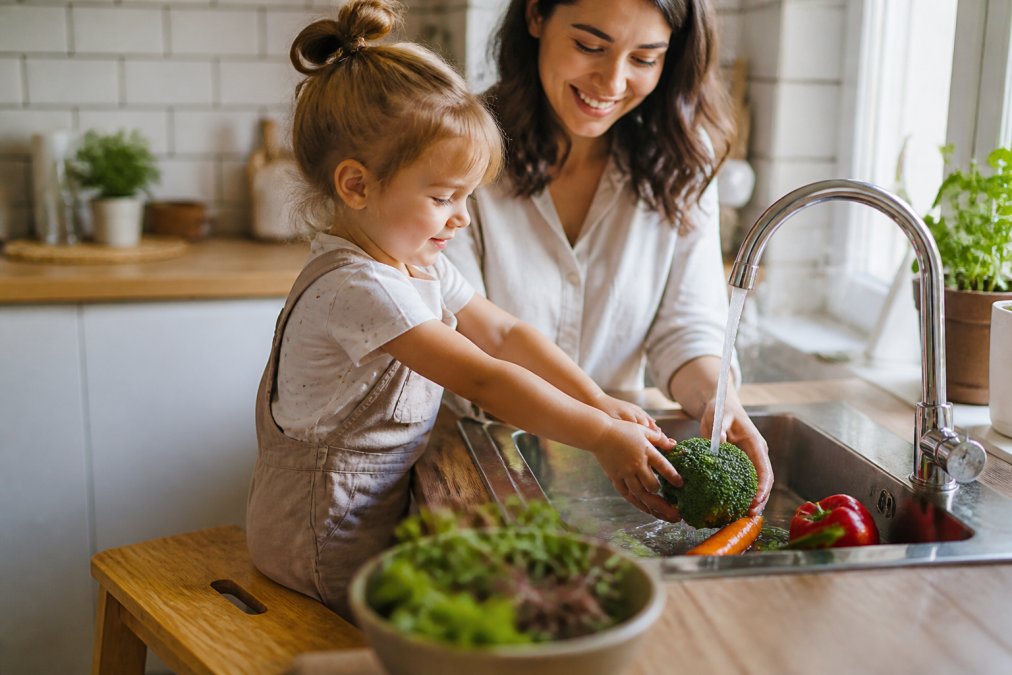
- Washing vegetables under the tap (toddlers love water)
- Tearing lettuce or spinach leaves into a bowl
- Stirring batter that contains hidden vegetables
- Pressing cookie cutters into soft cooked carrot or sweet potato
- Placing vegetable pieces onto a pizza base
The culinary involvement itself becomes a form of food exploration. A toddler who has spent five minutes washing a courgette is far more likely to try a bite of it than one who has never seen it before it lands on their plate.
Serving Vegetables in Different Textures and Shapes
Texture sensitivity is real, and it is worth taking seriously. A child who gags on mushy peas may eat frozen peas straight from the bag. A toddler who refuses boiled carrot might happily crunch a raw carrot stick dipped in hummus.
Experiment with:
- Raw vs. cooked: Some children strongly prefer one over the other
- Roasted: Caramelisation softens bitterness and adds sweetness that toddlers respond well to
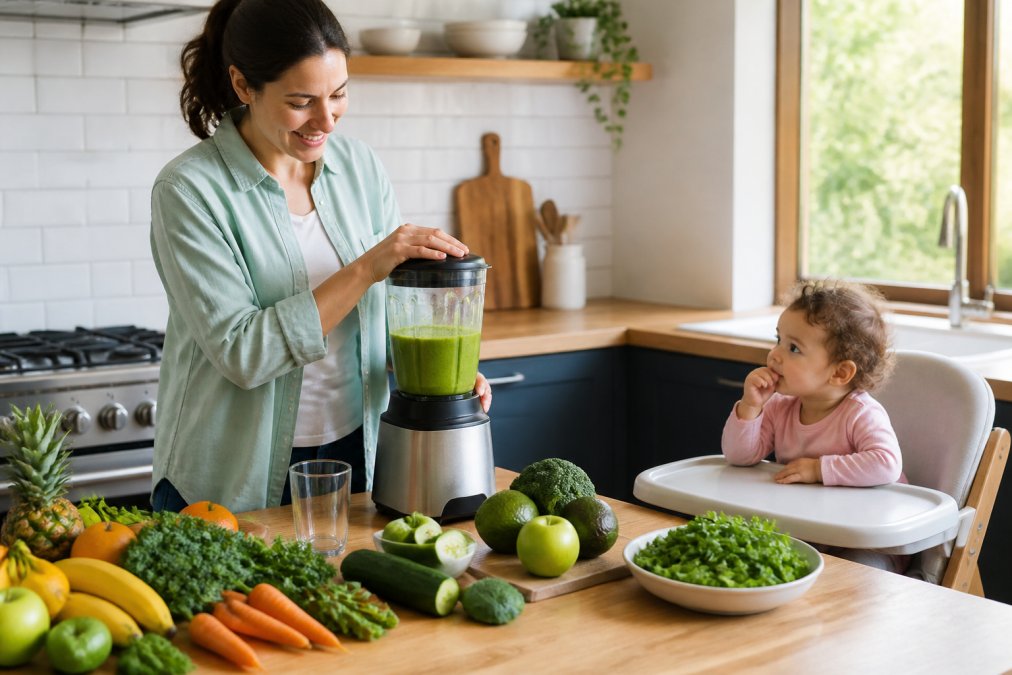
- Pureed and blended into sauces: Palatability increases when texture disappears entirely
- Different shapes: Crinkle-cut, coin-shaped, or star-pressed vegetables feel different and more playful
- Finger food vs. fork food: Toddlers who struggle with cutlery often eat more when food is hand-held
Varying serving sizes also helps. A small pile feels achievable; a large portion triggers refusal before the first bite.
Hidden Veggie Recipes for Toddlers That Actually Work
Hidden veggie recipes for toddlers are a genuinely useful tool, especially during periods of high refusal. The goal is not to deceive your child forever, but to maintain nutritional intake while you work on the longer-term exposure strategies.
Budget-Friendly Ideas Using Everyday Vegetables
The good news is that the most effective hidden veggie approaches use cheap, everyday ingredients. You do not need expensive superfoods or specialist products.
Tomato and lentil pasta sauce: Blend in a large handful of spinach, grated courgette, and carrot. The tomato masks colour and flavour completely. A batch costs very little and freezes well.
Banana and spinach pancakes: Two bananas, two eggs, and a large handful of spinach blended together makes a batter that fries into green pancakes toddlers find exciting rather than suspicious. Serve with a little fruit.
Cauliflower mac and cheese: Steam and blend cauliflower into the cheese sauce. The texture and flavour disappear, and the micronutrients stay.
Sweet potato in anything: Mashed sweet potato blends into muffins, pancakes, and even chocolate brownies. It adds natural sweetness and a dose of vitamins without changing the flavour noticeably.
Butternut squash soup: Roast and blend with a little mild stock. Most toddlers accept orange soup without question, especially served with bread for dipping.
Hidden Veggie Idea |
Main Vegetable |
Budget Estimate |
Freezer-Friendly |
|---|---|---|---|
Tomato pasta sauce |
Spinach, courgette, carrot |
Very low |
Yes |
Banana pancakes |
Spinach |
Very low |
Yes |
Mac and cheese |
Cauliflower |
Low |
No |
Sweet potato muffins |
Sweet potato |
Low |
Yes |
Butternut squash soup |
Butternut squash |
Low |
Yes |
Modelling Healthy Eating Habits and Family-Style Dining
Here is the part most guides underplay: your child is watching you far more than they are listening to you. Modelling healthy eating habits is one of the most effective long-term strategies available, and it costs nothing.
Family-style dining, where dishes are placed in the centre of the table and everyone serves themselves, gives toddlers autonomy. They can choose what goes on their plate, which dramatically reduces the power struggle. Place the vegetables in the middle alongside everything else, serve yourself a generous portion, and eat it with visible enjoyment. No commentary, no "eat your greens," just a parent who clearly enjoys vegetables.
Dietary variety modelled at the family table normalises many foods. Children who grow up seeing adults eat and enjoy vegetables absorb that as the norm, not the exception. This is a long game, but it is the most durable one.
How to Get Toddlers to Eat Vegetables When Nothing Else Works
Some days, despite your best efforts, nothing lands. The broccoli goes on the floor, the sweet potato gets fed to the dog, and you are running out of ideas. This is normal, and it does not mean the strategies are failing.
Post-Meal Emotional Regulation: Keeping It Calm After Refusals
Post-meal emotional regulation is an area most parenting guides skip entirely, and it matters more than people realise. How you respond after a refusal shapes the next mealtime.
The instinct is to express frustration, cajole, or make a second meal. All of these responses, however understandable, tend to increase the drama around food and make the next refusal more likely. Instead:
- End the meal calmly and without comment on what was or was not eaten
- Avoid offering alternative foods after a refusal (this teaches toddlers that refusal leads to preferred options)
- Give your child a moment to regulate if they are upset, without making food the focus of the comfort
- Remind yourself that one missed meal does not affect a child's overall nutritional intake
According to Great Ormond Street Hospital's guidance on mealtime behaviour, keeping mealtimes positive and low-pressure is consistently associated with better long-term eating outcomes in young children. The mealtime environment matters as much as the food itself.
The five-a-day target feels daunting when your toddler is in a refusal phase. Give yourself permission to zoom out. Look at what your child eats across a week, not a single meal.
LittleVitz Vegetable Supplement: The Delicious Easy Alternative
On the days when vegetable consumption genuinely feels impossible, LittleVitz Kids Super Greens is the easy alternative that fussy children actually want to drink. It is a chocolate-flavoured nutritional powder made with real greens, fruits, vitamins and minerals, packed with over 20 superfoods, and it contains no added sugar. It tastes delicious, which is the part that genuinely surprises most parents the first time their child asks for more.

For children with texture sensitivity, sensory aversion, or ARFID, where even hidden veggie recipes are rejected, LittleVitz bridges the nutritional gap without the battle. Mix it into milk using the LittleVitz Milk Frothing Wand, which whisks it into a smooth, frothy drink your child will not suspect contains a single vegetable. The result supports healthy growth, focus, and immunity, covering the micronutrients that are hardest to get into a picky eater's diet.
It is not a replacement for the long-term strategies in this guide. But on a Tuesday evening when dinner ended on the floor and you need to know your child got something nutritious today, it is genuinely reassuring to have it in the cupboard.
The daily veggie battle is exhausting, and it is okay to admit that. The strategies in this guide work, but they take time, consistency, and a lot of patience. On the harder days, LittleVitz Kids Super Greens offers a no-fuss, dietitian-friendly way to support your child's nutritional intake with a chocolate flavour they will love. Packed with real greens, fruits, and over 20 superfoods, and with no added sugar, it is designed for exactly the children this guide is written for. Get started with LittleVitz and take the pressure off mealtimes, one delicious scoop at a time.
Frequently Asked Questions
What do I do when my toddler refuses to eat vegetables every single day?
Repeated refusal is completely normal and is usually rooted in food neophobia or sensory aversion rather than defiance. Keep offering small portions alongside familiar foods without pressure or comment. Research suggests it can take 10 to 15 exposures before a child accepts a new food. Try changing the texture or shape, involve your toddler in preparation, and model eating vegetables yourself. If refusal is extreme and linked to a very limited 'safe food' list, speak to your GP or a paediatric dietitian.
Is it okay if my toddler eats fruit but refuses vegetables?
Fruit is genuinely nutritious and counts towards your toddler's five-a-day, so it is not a disaster if vegetables are currently off the table. That said, vegetables provide micronutrients and fibre that fruit alone does not fully replace. Keep offering vegetables in low-pressure ways and consider mixing vegetables into fruit-based meals, such as blending spinach into a fruit smoothie. A chocolate-flavoured greens powder like LittleVitz Kids Super Greens can also help bridge nutritional gaps on difficult days.
How can I hide vegetables in my toddler's meals without them noticing?
Pureeing is the most reliable method. Blended courgette disappears into pasta sauce, cauliflower melts into mashed potato, and spinach becomes invisible in a chocolate smoothie. Finely grating carrots or beetroot into muffin batter works well too. These hidden veggie approaches support nutritional intake while you work on longer-term food acceptance strategies. They are not a permanent fix, but they are a genuinely useful tool while your toddler's palate develops.
How much vegetable intake does a toddler actually need each day?
NHS guidance recommends that children eat at least five portions of fruit and vegetables a day, with a child's portion being roughly the size of their palm. For toddlers aged one to three, this equates to around 40g per portion. You do not need to hit this every day — consistency over time matters more than daily perfection. A mix of fresh, frozen, tinned, and blended vegetables all count, which makes hitting the target much more manageable on busy days.