Why 'Just Get Them to Try It' Fails Sensory-Sensitive Kids. And the One Texture That Slips Past Their Defenses.
For children with sensory food aversions and restricted eating, one smooth chocolate scoop packs 30+ whole-food nutrients - no grassy taste, no gritty texture, no fight.
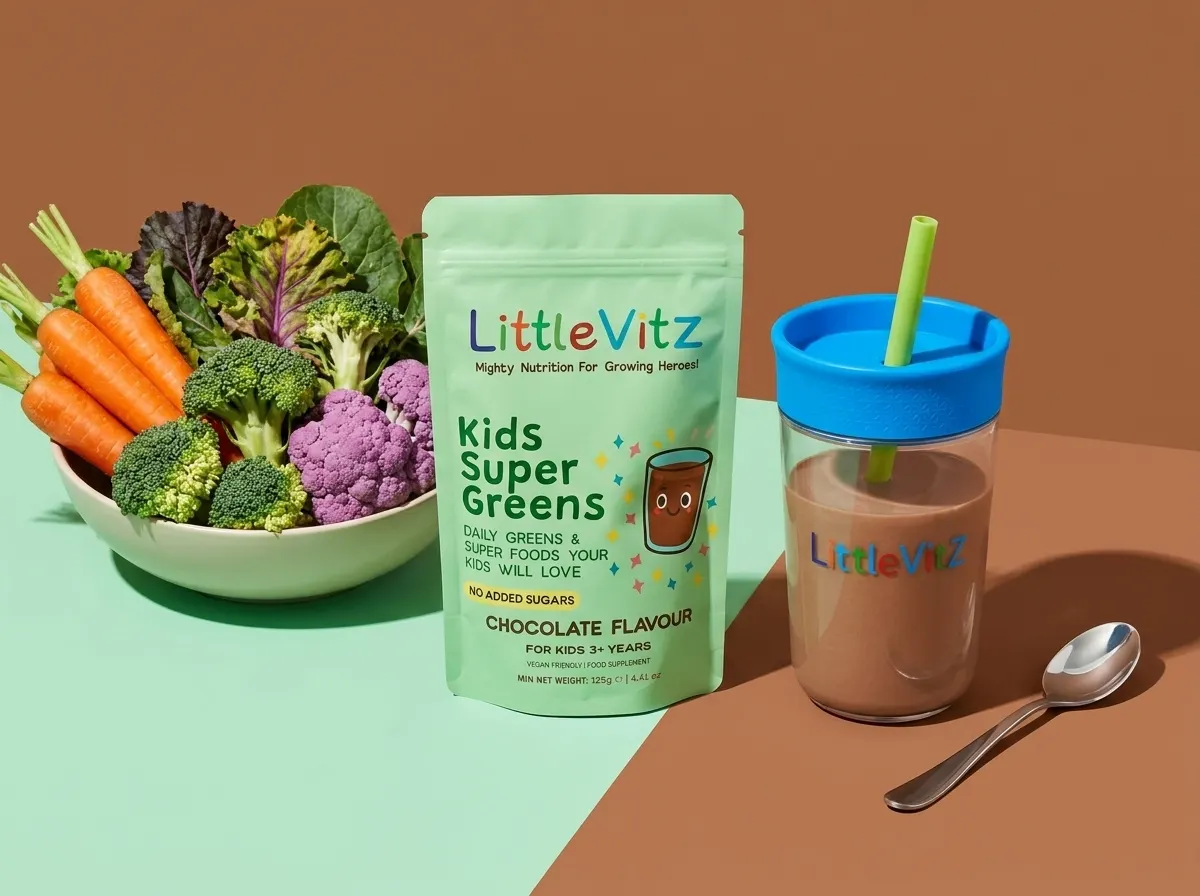
It's the same three foods again. Beige, dry, soft. The broccoli goes untouched, the fruit gets pushed to the far edge of the plate, and the fork stays down the second a new texture appears.
It isn't stubbornness. For a child with real sensory sensitivities, a wet strawberry or a stringy green bean isn't a taste problem — it's a whole-body no. The smell, the feel on the tongue, the way it looks. Some meals shrink down to a handful of trusted foods and stay there.
You've read about ARFID. You've stopped fighting at the table because fighting never worked.
What you can't stop is the quiet math running in the background — the vitamins, the iron, the growing body being built on almost nothing green.
Why won't your child even try new foods?

For a child with sensory food issues, a new food isn't a choice — it's a threat. The wrong texture, a strange smell, a colour that looks off, and the plate is pushed away before a single bite. This isn't fussiness you can bargain, bribe or discipline away.
So the list of safe foods shrinks to a handful. The same beige plate, meal after meal. And every attempt to widen it turns into another standoff that leaves everyone tired and no further forward.
You've likely tried the gummies. A chewable multivitamin that promised the world. But a sensory-sensitive child clocks the texture in seconds — the chalky bite, the sticky chew — and refuses on the spot. The very sensitivity that shrank their diet quietly blocks the fix too.
So, why won't a sensory eater just eat it?

Most parents blame themselves. But a child with food sensory issues isn't being difficult — their brain reads certain textures, smells, and colours as genuine alarm bells. A green smoothie doesn't look like food to them. It looks like a threat.
Call it the sensory wall. It's the reason a child can happily eat the same three beige foods for months and refuse everything else on the plate. The more restricted the eating gets, the more the vitamins and minerals — the vitamin C, vitamin D3, and iron a growing body leans on — quietly go missing.
This is where most fixes fall down. Hiding vegetables, bargaining, one more bite — none of it works, because the problem was never willpower.
The wall only comes down when the food finally feels safe. A familiar taste. A texture they already trust. Get past the sensory wall first, and the nutrition can follow.
What finally gets past the sensory wall?
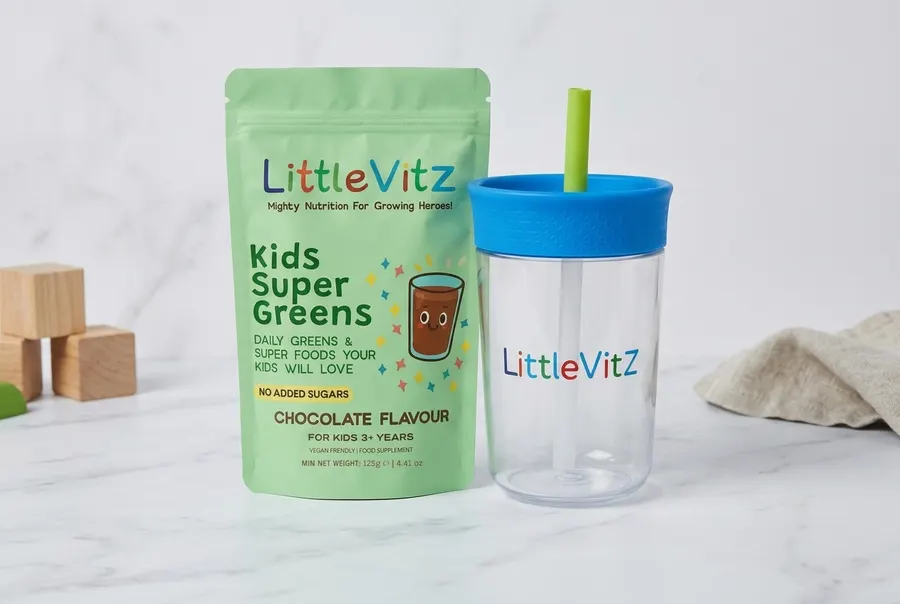
LittleVitz Kids Super Greens is what closes the gap. It's the UK's first greens powder built for children — not shrunk-down adult vitamins — and it's designed to slip past the exact texture and taste barriers that make sensory-sensitive kids refuse everything else.
The whole thing works because it tastes like chocolate milk. No grassy bite, no bitter green after-taste, no strange smell when the pouch opens. For a child whose eating is ruled by how something feels and tastes, that's not a nice-to-have — it's the only reason the cup ever gets finished.
Underneath the chocolate sit over 30 whole-food ingredients in one scoop: leafy greens, vitamin C, D3 and iron for the immunity, energy and growth support a narrow diet leaves out. Zero added sugar — the opposite of a gummy.
Made in the UK under strict food-safety standards, third-party tested, and formulated by nutritionists for ages 3 and up. A parent stirring the first cup would notice the same thing morning after morning: a child who asks for it again.
What does one scoop actually do?
The point of closing the greens gap isn't a single fix — it's the handful of things that tend to settle at once when the fibre, vitamins and minerals finally arrive together.
What goes into every serving?
Whole-food greens and named vitamins do the work here — not a short list of isolated synthetics dressed up with sugar. Here's what a single scoop puts into a picky eater's morning.
Ready to Start?
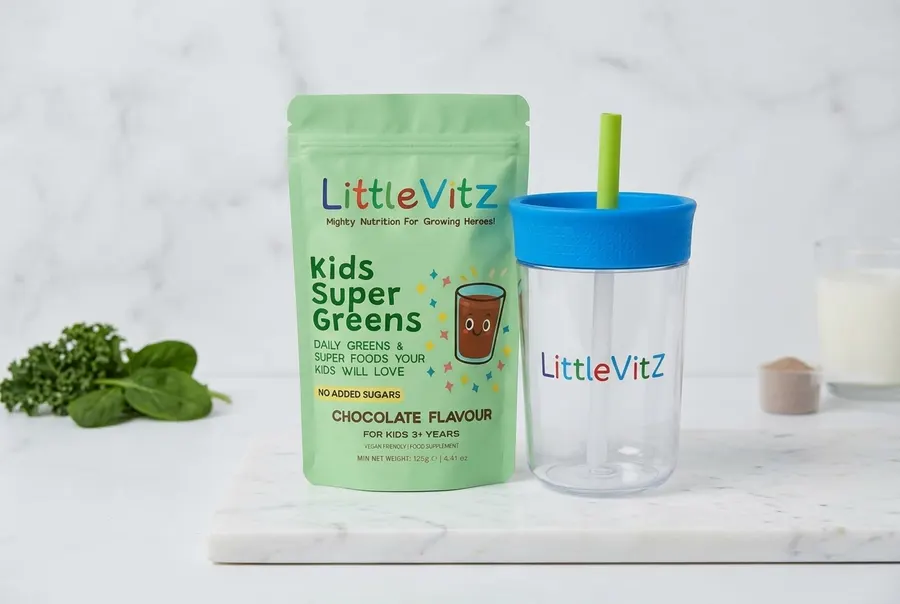
Why parents of sensory eaters are switching
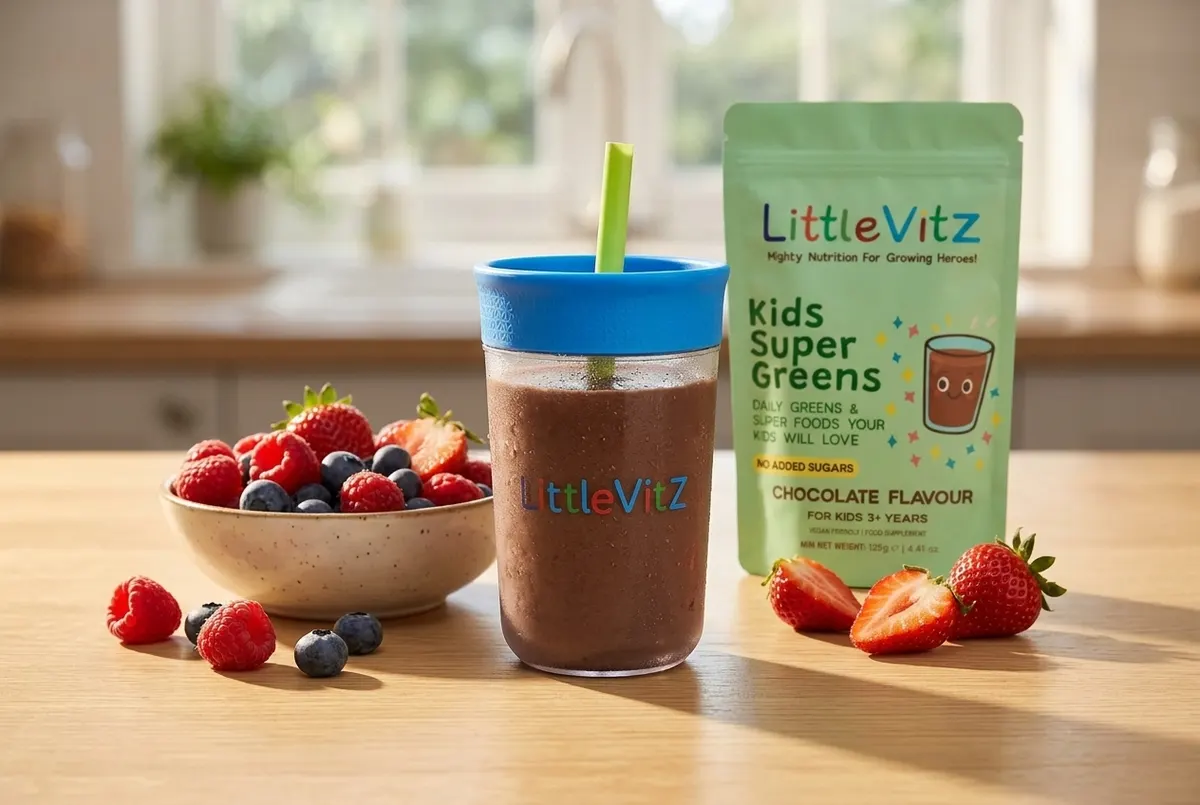
Chocolate taste that sensory kids actually request
Children with ARFID and sensory sensitivities reject powders and gummies that taste vegetal, medicinal, or unfamiliar. This formula tastes indistinguishable from chocolate milk—no bitter aftertaste, no detectable green flavor—which removes the texture and taste barrier that typically halts acceptance before nutrition even enters the picture. For children who restrict foods based on sensory fear, taste familiarity is the gateway; once accepted, the 30+ whole-food nutrients (spirulina, moringa, leafy greens, B-complex) slip through without resistance.
See the ingredient list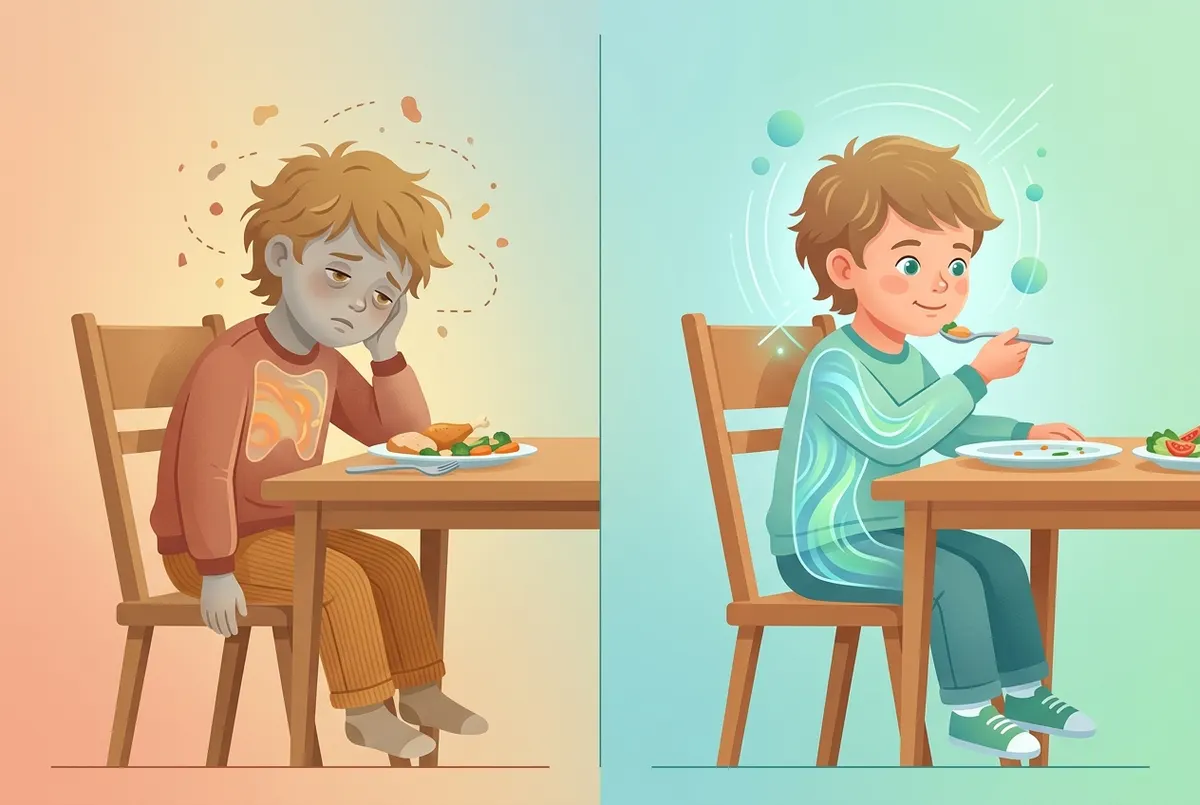
Bridges nutrition gaps when sensory eating narrows food choices
Children with ARFID often limit intake to a handful of "safe" foods—often beige, mild-textured, familiar. This restriction leaves them short on iron, vitamin D, calcium, B-vitamins, and other nutrients critical for focus, immunity, and growth. One scoop delivers 30+ whole-food ingredients addressing those exact deficiencies without requiring the child to expand their accepted food list. The formula works around sensory barriers rather than asking the child to overcome them through eating more vegetables.

No hidden textures or unexpected sensations in the cup
Children with texture sensitivities and ARFID require predictable, consistent eating experiences. This powder mixes completely smooth into milk—no grittiness, no separation, no chunks or particles that trigger rejection. The formula is vegan, gluten-free, and dairy-free, so it works with whatever milk a child already accepts (regular, oat, almond). Consistency matters as much as taste when sensory acceptance is the barrier; a reliable, familiar texture supports daily acceptance.
Support digestion naturallyLoved by fussy eaters
Ready to Start?
UK-made and third-party tested—no surprise ingredients to reject
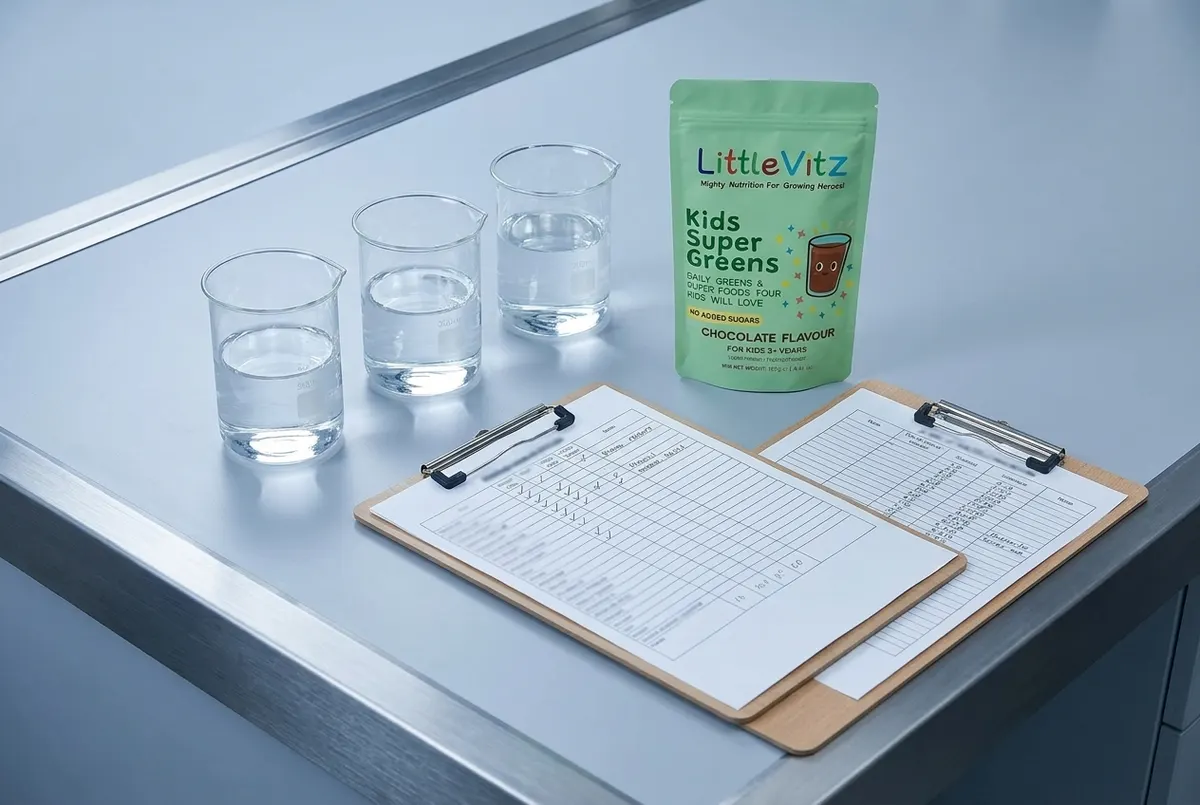
Children with sensory sensitivities and ARFID need absolute predictability; unexpected ingredients, artificial additives, or unfamiliar tastes can trigger complete refusal. This formula is made in the UK under GMP and HACCP food safety standards, third-party tested for purity, and contains zero artificial sweeteners, colors, or preservatives. Every batch is verified. Parents know exactly what's in each scoop—no hidden surprises that might trigger sensory alarm or behavioral resistance.
Check the test results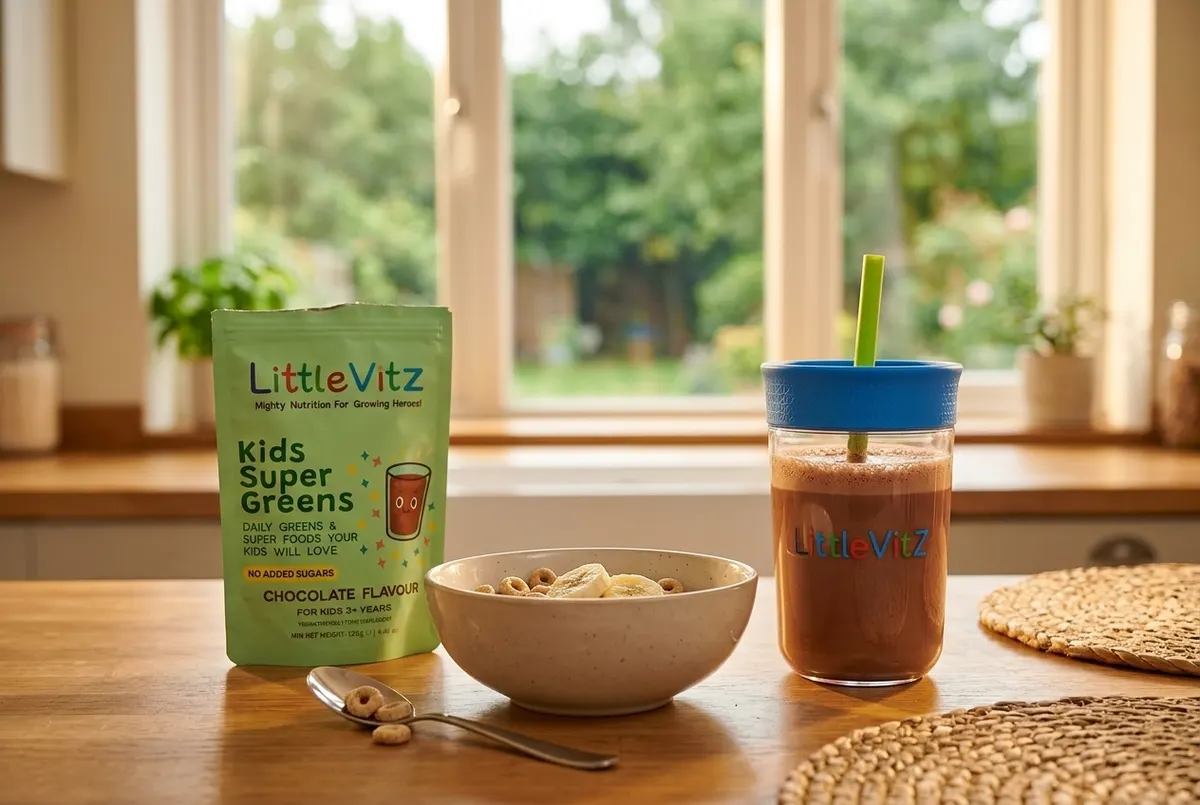
Iron, B12, and folate support focus when eating is limited
Children with restricted diets often miss the iron, B12, and folate found in red meat, eggs, leafy greens, and fortified grains—nutrients that fuel concentration, learning, and emotional regulation. Limited sensory food choices can mean low iron intake, which causes fatigue and difficulty focusing at school. One scoop covers these deficiencies, so a child with ARFID can maintain the cognitive support they need for learning and daily functioning, even when their actual food plate remains limited.
Try it risk-freeWhat do Kids Super Greens customers say?
Most parents who try it start from the same place of doubt — a child who refuses almost everything and a shelf of rejected vitamins. What changes is worth reading in their own words.
How long until you notice a difference?
Filling a nutrient gap isn't an overnight switch — it's a build. Here's what parents typically notice in the first weeks once it becomes a daily habit.
How does it stack up?
The real question isn't greens powder versus nothing — it's greens powder versus the sugary gummies and offshore multivitamins already sitting in the cupboard. Side by side, the difference is hard to miss.
| Kids Super Greens | Gummy Vitamins | |
|---|---|---|
| Added sugar | 0g | 2-4g per gummy |
| Whole-food ingredients | 30+ | 0-3 |
| Third-party tested | ✓ | Rarely |
| Iron included | ✓ | Often missing |
| Manufacturing standard | UK GMP & HACCP | Variable offshore |
Ready to Start?
The questions worried parents ask first
Will a sensory-sensitive child actually drink it? Is it really worth more than a tub of gummies? Are the health claims real? The honest answers to the questions that come up before every first order.