

Table of Contents
- Why Picky Eaters Need Extra Immune Support
- Essential Vitamins for Picky Eaters to Build Immunity
- Whole Foods That Support Immune Health
- Gut Health and Probiotics for Immune Boosting
- Immune Boosting Recipes for Kids That Picky Eaters Actually Eat
- How to Improve Child Focus Naturally While Boosting Immunity
- Sleep, Hydration, and Physical Activity Matter Too
- When to Consult Your Health Visitor or GP
- Frequently Asked Questions
Last Updated: August 31, 2026
Why Picky Eaters Need Extra Immune Support
Getting a picky eater to consume enough nutrients for a strong immune system feels like a daily battle. Your child has a list of "safe foods" that could fit on a postage stamp, and vegetables aren't anywhere near it. The challenge is finding ways to slip immune-supporting nutrients into foods your child will actually eat without a fight.
When a child has limited food preferences, their immune system can become more vulnerable simply because they're missing key micronutrients like vitamin C, vitamin D, and zinc. The good news? You don't need to win the vegetable wars to support your child's immunity. There are clever, parent-tested ways to build immune strength using foods that actually appeal to picky eaters.
Essential Vitamins for Picky Eaters to Build Immunity
Vitamin C and Antioxidants
Vitamin C helps your child's body produce white blood cells that fight infection. The challenge is that the foods highest in vitamin C, citrus fruits, berries, and leafy greens, are often on the "no" list.
Focus on the vitamin C sources your child will accept. Some picky eaters will happily eat strawberries, kiwis, or orange segments if presented the right way. Blending these into smoothies or mixing them into yoghurt works brilliantly. Cooked vegetables like sweet potatoes and broccoli retain decent vitamin C levels and sometimes feel less threatening to children with texture sensitivities.
If your child won't eat leafy greens raw, try them in pasta sauce, mixed into mince, or blended into soups where the texture becomes less noticeable. Small amounts of these nutrients, delivered regularly, build up over time.
Vitamin D and Zinc
Vitamin D is particularly important for immune function, and many children don't get enough, especially during winter months (the NIH). Fatty fish like salmon contains both vitamin D and omega-3 fatty acids that support immune response. If your child won't eat fish, egg yolks are a gentler alternative that many picky eaters will tolerate.
Zinc is essential for immune cell development. Lean protein sources like chicken, turkey, and beef provide zinc and often appeal to picky eaters more readily than fish or beans. Serving familiar proteins with new side dishes tends to work better psychologically.
Fortified foods can be your secret weapon. Many children's breakfast cereals and plant-based milk alternatives are fortified with vitamin D, making them an easy way to top up intake without introducing new foods.
Whole Foods That Support Immune Health
Leafy Greens and Citrus Fruits
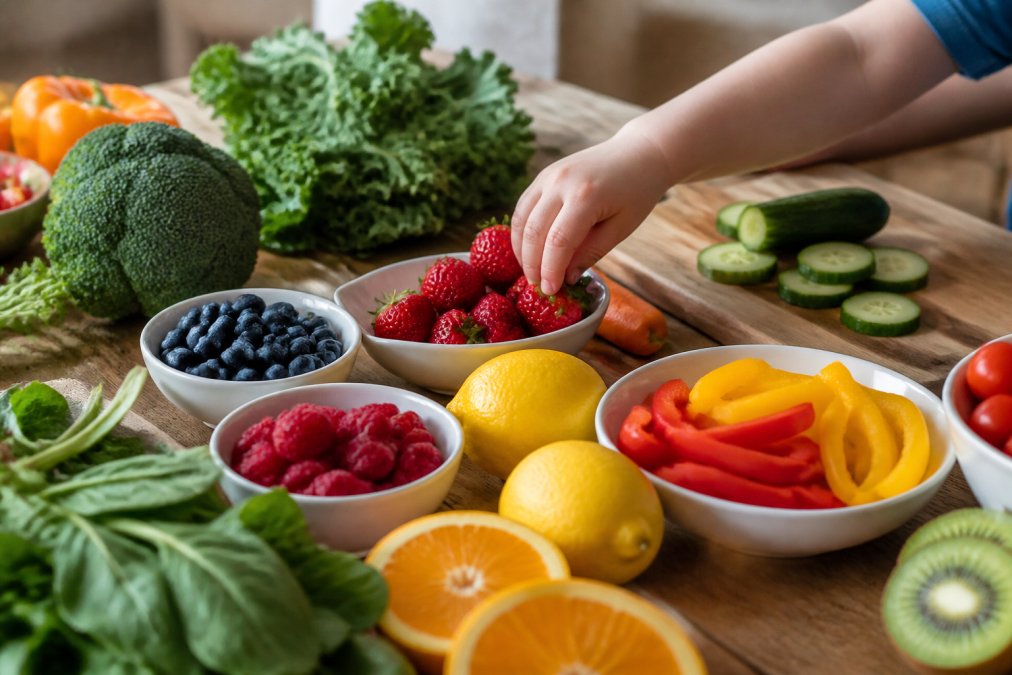
Leafy greens like spinach, kale, and lettuce are packed with vitamins, minerals, and antioxidants that strengthen immune response. For picky eaters, the key is integration rather than serving them as a standalone vegetable. Finely chopped spinach disappears into pasta sauces, meatballs, or scrambled eggs. Lettuce wraps can feel like a fun, interactive meal rather than "eating greens."
Citrus fruits provide concentrated vitamin C in a naturally sweet package. If your child won't eat whole oranges, try fresh orange juice or add mandarin segments to familiar foods. Rather than announcing "this is healthy," simply serve these foods alongside familiar options. Repeated exposure, without pressure, increases acceptance over time.
Lean Protein and Healthy Fats
Chicken and turkey are staple proteins for many picky eaters and excellent sources of zinc and B vitamins that support immune function. Serving these proteins in familiar formats, nuggets, meatballs, or shredded into pasta, makes them feel safe whilst delivering immune-supporting nutrition.
Healthy fats from avocado, olive oil, and nuts (where age-appropriate) support nutrient absorption and immune cell function. Avocado's creamy texture appeals to many children with sensory preferences. Eggs are particularly useful because they're versatile, affordable, and contain choline and lutein alongside protein and vitamin D. Most picky eaters will accept eggs in some form.
Gut Health and Probiotics for Immune Boosting
Approximately 70% of immune cells live in the gut, so supporting digestive health with probiotics and fibre-rich foods creates a stronger foundation for overall immunity (peer-reviewed research). Probiotics are beneficial bacteria that help maintain a healthy gut microbiome.
Fermented foods like yoghurt are the most accessible probiotic source for picky eaters. Greek yoghurt, regular yoghurt, or yoghurt drinks can deliver live cultures. Choose versions without excessive added sugar.
Fibre intake supports the growth of beneficial gut bacteria. For picky eaters, focusing on the whole grains they'll accept, brown rice, wholemeal bread, or oat-based cereals, is more realistic than forcing beans.
A practical addition to your toolkit is LittleVitz Kids Super Greens, which combines real greens, fruits, and beneficial micronutrients in a chocolate-flavoured powder designed specifically for picky eaters. Mixed into milk or smoothies, it delivers concentrated nutrition without the texture challenges that often come with whole vegetables.

Immune Boosting Recipes for Kids That Picky Eaters Actually Eat
Chocolate-Based Smoothies with Hidden Greens

Chocolate smoothies are your secret weapon for delivering immune-supporting nutrients to picky eaters. The chocolate flavour masks vegetables and bitter-tasting greens whilst the smooth texture appeals to children with sensory sensitivities.
A basic immune-boosting chocolate smoothie combines:
- 200ml milk (dairy or fortified plant-based)
- 1 tablespoon cocoa powder or chocolate powder
- 1 banana (adds natural sweetness and potassium)
- Handful of spinach or kale (finely blended, invisible in the final drink)
- 1 tablespoon nut butter (adds healthy fats and protein)
- Optional: 1 scoop of LittleVitz Kids Super Greens for concentrated nutrition
Simply blend everything together until smooth. The chocolate completely masks any "green" taste, and most children find the creamy texture appealing. Variations include adding frozen berries for extra antioxidants, Greek yoghurt for probiotics, or oats for fibre. Using a milk frothing wand like the LittleVitz Milk Frothing Wand creates a frothy top that feels special and increases acceptance.

Sensory-Friendly Preparation Techniques
Children with sensory processing sensitivities often struggle with certain food textures, temperatures, or presentations. Understanding your child's specific sensory preferences makes a huge difference in their willingness to consume immune-supporting foods.
Some children prefer smooth textures, making purees, smoothies, and blended soups ideal. Others prefer distinct textures they can identify. Temperature matters too, some children prefer room-temperature or cold foods and reject anything warm. Offering foods at your child's preferred temperature removes a barrier to consumption.
Presentation significantly impacts acceptance. Arranging food into familiar shapes, using fun plates or cups, or allowing your child to help prepare food increases engagement. The LittleVitz Kids Cup with its clear body and reusable straw makes drinking smoothies feel interactive and fun rather than like "taking medicine."
Never force, pressure, or punish a child for refusing food. Repeated, pressure-free exposure to new foods, seeing family members eat and enjoy them, gradually increases acceptance.
How to Improve Child Focus Naturally While Boosting Immunity
Immune health and cognitive function are interconnected. When your child's nutritional status improves, their ability to concentrate, learn, and regulate emotions often improves alongside it.
Omega-3 fatty acids, found in fish, walnuts, and flaxseeds, support both immune function and brain development. Zinc deficiency specifically impacts attention and memory. B vitamins support energy production and neurotransmitter synthesis. Children who feel physically well, with stable energy, good digestion, and fewer infections, naturally show better focus and behaviour.
LittleVitz Kids Super Greens includes nutrients specifically chosen to support both immunity and focus, making it a practical solution for busy parents juggling multiple nutritional goals.

Sleep, Hydration, and Physical Activity Matter Too
Immunity isn't built through food alone. Sleep, hydration, and physical activity form the foundation that allows your child's immune system to function optimally.
Children aged 3-5 need 10-13 hours of sleep daily; children aged 6-12 need 9-12 hours (the CDC). During sleep, your child's body produces cytokines, immune cells that fight infection. Consistent bedtimes directly impact immune resilience.
Hydration supports every immune function. Water helps flush out toxins, transports nutrients, and enables lymph circulation. Many picky eaters drink less water than they should. Offering water in appealing cups like the LittleVitz Kids Cup increases intake without adding calories or sugar.
Physical activity strengthens immune response. Children need at least 60 minutes of moderate activity daily. This doesn't mean structured exercise; active play, dancing, cycling, or sports all count.
When to Consult Your Health Visitor or GP
Most picky eating and nutritional gaps can be managed through the strategies outlined here. However, certain situations warrant professional guidance. If your child experiences frequent infections (more than 8-10 per year), has severe growth delays, shows signs of nutritional deficiency (pallor, fatigue, poor wound healing), or has diagnosed conditions affecting nutrition, speak with your GP or health visitor.
Digestive issues, chronic constipation, diarrhoea, or abdominal pain sometimes indicate underlying problems that need addressing before nutritional interventions become fully effective. Your health visitor can rule out conditions like coeliac disease, food allergies, or digestive disorders.
If your child has severe food aversions, anxiety around eating, or you suspect ARFID, a referral to a paediatric dietitian or child psychologist can provide specialist support. Regular health checks with your GP provide baseline information about your child's growth, development, and nutritional status.
Supporting your picky eater's immunity doesn't require forcing down vegetables or battling at mealtimes. By understanding your child's sensory preferences, focusing on nutrient-dense foods they'll actually eat, and filling gaps with practical solutions like LittleVitz Kids Super Greens, you create sustainable nutrition habits that strengthen immune function over time. The combination of real foods, consistent routines, adequate sleep, and hydration builds immune resilience that protects your child through winter and beyond. Start with one small change, perhaps a chocolate smoothie with hidden greens, and build from there. Consistency matters far more than perfection.
| Strategy | Best For | Time to Results |
|---|---|---|
| Whole food integration | Children who'll eat familiar foods | Immediate nutritional benefit |
| Smoothies with greens | Texture-sensitive eaters | Weeks to see immune improvement |
| Probiotic-rich foods | Supporting gut health | 4-6 weeks for noticeable changes |
| Supplemental powder (LittleVitz) | Bridging significant nutritional gaps | Weeks for energy/focus improvement |
| Sleep & hydration focus | Overall immune resilience | 2-3 weeks for noticeable difference |
Frequently Asked Questions
How do I boost my child's immune system naturally if they're a picky eater?
Focus on the foods your child will actually eat, then build from there. Introduce nutrient-dense options gradually: soft fruits like berries and oranges, mild lean proteins, and fortified foods. Consider a nutritional supplement designed for picky eaters, products like Kids Super Greens mix easily into milk or smoothies and contain over 30 vitamins, minerals, and superfoods without added sugar. Pair this with adequate sleep, hydration, and physical activity, which are equally important for immune function.
What are the best vitamins for picky eaters to support immunity?
Vitamin C, vitamin D, and zinc are the three most critical for immune support. Vitamin C boosts antioxidant defences; vitamin D regulates immune response; zinc supports immune cell function. If your child won't eat citrus fruits or fortified cereals, a supplement powder is practical, it delivers all three plus additional micronutrients without the texture battles. Start with a trial pouch to see if it works for your child before committing to a larger purchase.
Are there foods that actually damage a child's immune system I should avoid?
Processed foods and sugary snacks don't directly damage immunity, but they displace nutrient-dense foods and can feed harmful gut bacteria, weakening your child's immune response. Limit fizzy drinks, sweets, and heavily processed options. Instead, prioritise whole foods and foods with real greens, fruits, and healthy fats. If your child has a restricted 'safe food' list due to sensory issues or ARFID, don't force variety, work within their comfort zone and fill gaps with a nutrient-dense supplement.
How can I help my picky eater get enough vitamins without constant battles?
Acceptance is key. If mealtimes are a battle, the stress itself weakens immunity. Offer nutrient-rich foods without pressure, and consider a supplement as a bridge, not a replacement. Kids Super Greens, for example, mixes into chocolate milk or smoothies, familiar textures many picky eaters accept. Use a milk frothing wand to create a smooth, appealing drink. This approach removes the daily 'eat your greens' conflict and ensures your child gets consistent micronutrient support.
This article was written using GrandRanker