

Table of Contents
- What Makes Sugar-Free Chocolate Powder Different
- Nutritional Profile: What's Actually in the Powder
- Health Benefits of Cocoa Powder for Children
- Understanding Artificial Sweeteners in Kids' Drinks
- Safety Concerns: Heavy Metals and Quality Standards
- Best Vitamins for Picky Eaters: Why Chocolate Powder Works
- How to Choose a High-Quality Sugar-Free Chocolate Powder
- Conclusion
Last Updated: August 21, 2026
What Makes Sugar-Free Chocolate Powder Different
Sugar-free chocolate powder tackles two problems at once: delivering real nutrients whilst tasting good enough that your child will drink it. Unlike regular cocoa powder mixed with sugar, or sweetened chocolate drinks loaded with empty calories, a quality sugar-free formula uses alternative sweeteners to keep the taste intact without the blood sugar spike.
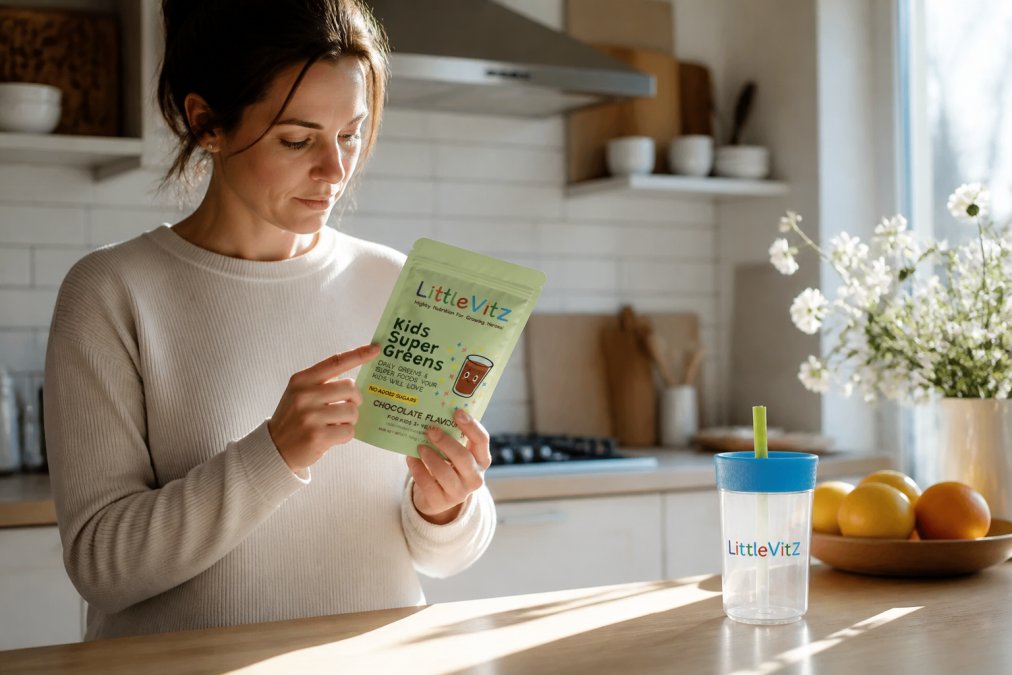
A typical chocolate drink mix contains 12-15 grams of added sugar per serving (usda.gov). A sugar-free version swaps that sugar for sweetening agents like stevia, monk fruit, or sugar alcohols. The key: not all sugar-free options are created equal. Some taste metallic. Others cause digestive upset. The good ones are indistinguishable from the sugary versions your child already loves.
For picky eaters, the real value is the delivery mechanism. Your child gets nutrients wrapped in something they actually want to consume, rather than fighting you over a vitamin gummy or supplement powder.
Nutritional Profile: What's Actually in the Powder
A quality sugar-free chocolate powder contains far more than just cocoa. The best formulations include real cocoa solids, which deliver polyphenols, flavonoids, and other plant compounds your child's body can actually use. Beyond cocoa, you'll find micronutrients like magnesium, iron, zinc, and B vitamins. Some formulations add greens powders or fruit extracts to boost nutritional density.
The challenge is bioavailability, how much of what's in the powder your child's body can actually absorb and use. A powder packed with 30 vitamins means nothing if your child's digestive system can't access them.
Polyphenols, Flavonoids, and Antioxidants Explained
Polyphenols are plant compounds found in cocoa that act as antioxidants in the body. Flavonoids are a specific type of polyphenol particularly abundant in cocoa, giving dark chocolate its bitter taste and its reputation as a "superfood."
When your child consumes cocoa powder, these compounds reach their digestive system where they reduce oxidative stress, cellular damage caused by free radicals. In growing children, this matters because developing bodies are metabolically active and prone to oxidative stress during periods of rapid growth.
The antioxidant content varies dramatically between cocoa types. Dutch-processed cocoa (treated with alkali) loses up to 90% of its polyphenols compared to natural cocoa (peer-reviewed research). A powder made from natural cocoa delivers significantly more beneficial compounds than one made from heavily processed cocoa solids.
Magnesium, Micronutrients, and Bioavailability
Cocoa is one of nature's richest sources of magnesium, a mineral critical for muscle function, nerve signalling, and sleep quality. A single serving of quality cocoa powder can provide 10-15% of a child's daily magnesium needs (the NIH). For children who struggle with constipation or sleep, this matters.
The magnesium in cocoa is highly bioavailable, meaning your child's body can actually absorb and use it. Compare that to many synthetic vitamins where bioavailability is poor, and you're giving your child something genuinely useful.
Beyond magnesium, cocoa delivers iron (important for energy and focus), zinc (crucial for immunity), and B vitamins. The natural fats in cocoa enhance absorption of these fat-soluble nutrients, making a chocolate powder made with real cocoa and healthy fats more nutritionally valuable than a stripped-down, fat-free version.
Health Benefits of Cocoa Powder for Children
Cocoa has been studied for its effects on cardiovascular health, cognitive function, and metabolic health. For a picky eater, the real benefit is delivering these compounds in a format your child will actually consume.
Research suggests that flavonoids in cocoa support blood vessel function and healthy blood pressure. For children, this translates to better cardiovascular resilience as they grow. Cocoa also contains theobromine and caffeine in small amounts, theobromine is a mild stimulant that enhances mood and mental clarity without the jittery effects of high caffeine.
Supporting Cardiovascular Health and Blood Sugar Management
The polyphenols in cocoa improve blood vessel function by enhancing nitric oxide production, helping blood vessels relax and dilate. Better circulation means healthier blood pressure over time.
Cocoa has a low glycemic index, meaning it doesn't cause rapid blood glucose spikes. When paired with protein or healthy fats, as in a chocolate drink made with milk, the blood sugar impact becomes even more stable. The flavonoids in cocoa also appear to support insulin sensitivity, helping your child's body regulate blood sugar more effectively.
Boosting Focus, Immunity, and Metabolism
The combination of theobromine, caffeine, and polyphenols creates a gentle cognitive boost. Children who drink cocoa show improved attention and processing speed in studies. For immunity, the polyphenols have antimicrobial and anti-inflammatory properties that support your child's immune system. The zinc in cocoa adds another layer of immune support.
Cocoa also supports healthy metabolism by improving mitochondrial function, the energy-producing structures in cells. Better mitochondrial health means better energy production and more efficient calorie burning.
Understanding Artificial Sweeteners in Kids' Drinks
When you remove sugar from a chocolate drink, you need something to replace it. The landscape of sweetening options has improved dramatically, but not all sugar-free sweeteners are created equal.
Common Sweetener Alternatives and Safety Profiles
Stevia is derived from the stevia plant and contains zero calories. It's been used safely for decades. The downside: it can have a bitter aftertaste. The upside: it has no metabolic effects and doesn't feed harmful gut bacteria.
Monk fruit is similarly plant-derived and calorie-free, with a cleaner taste than stevia and less aftertaste. It's newer to the market but has a strong safety record.
Xylitol is a sugar alcohol that tastes almost identical to sugar with fewer calories and lower glycemic impact. In large quantities, it can have a laxative effect, though normal amounts in a chocolate drink aren't problematic. However, xylitol is toxic to dogs, so careful storage is essential if you have pets.
Erythritol is another sugar alcohol that's nearly calorie-free with minimal glycemic impact. It's well-tolerated by most children and has a clean taste.
Aspartame and sucralose are synthetic sweeteners approved for use in children's foods in the UK. Both are non-nutritive and considered safe at levels found in food products, though some parents prefer to avoid synthetic options.
The key insight: the sweetener matters less than the total package. A chocolate powder sweetened with stevia but containing poor-quality cocoa is less valuable than one sweetened with erythritol and packed with real superfoods.
Safety Concerns: Heavy Metals and Quality Standards
Cocoa plants absorb metals from soil, and depending on where the cocoa is grown, some powders can contain concerning levels of cadmium and lead. Neither should be in your child's food, but both can appear in cocoa products if sourcing and testing aren't rigorous.
The solution is to choose brands that test for heavy metals and publish their results. Quality manufacturers test every batch. A brand that publishes heavy metal test results is one that's confident in its safety standards.
Storage also matters for long-term safety. Cocoa powder stored in humid conditions or direct sunlight degrades over time. The antioxidants break down, and the powder becomes less nutritionally valuable. Proper storage in a cool, dry place maintains its potency for months.
Best Vitamins for Picky Eaters: Why Chocolate Powder Works
Most vitamins for picky eaters don't work because your child refuses them. A quality chocolate powder sidesteps this problem entirely, it's not positioned as "medicine" or "supplement", it's a treat your child asks for.
This matters psychologically and practically. A vitamin your child refuses has zero nutritional value. A chocolate drink your child asks for has real value, even if it's not a complete nutritional solution on its own.
For children with ARFID (Avoidant/Restrictive Food Intake Disorder) or sensory processing issues, a chocolate powder can be a bridge food, something familiar and comforting whilst delivering nutrients their limited diet might be missing. The best vitamins for picky eaters are the ones your child will actually consume consistently.
How to Choose a High-Quality Sugar-Free Chocolate Powder
Start with the ingredient list. You want to see real cocoa powder listed first or second, not "cocoa solids" or "alkalized cocoa." You want recognisable superfoods, real greens, real fruits, not a long list of synthetic vitamins.
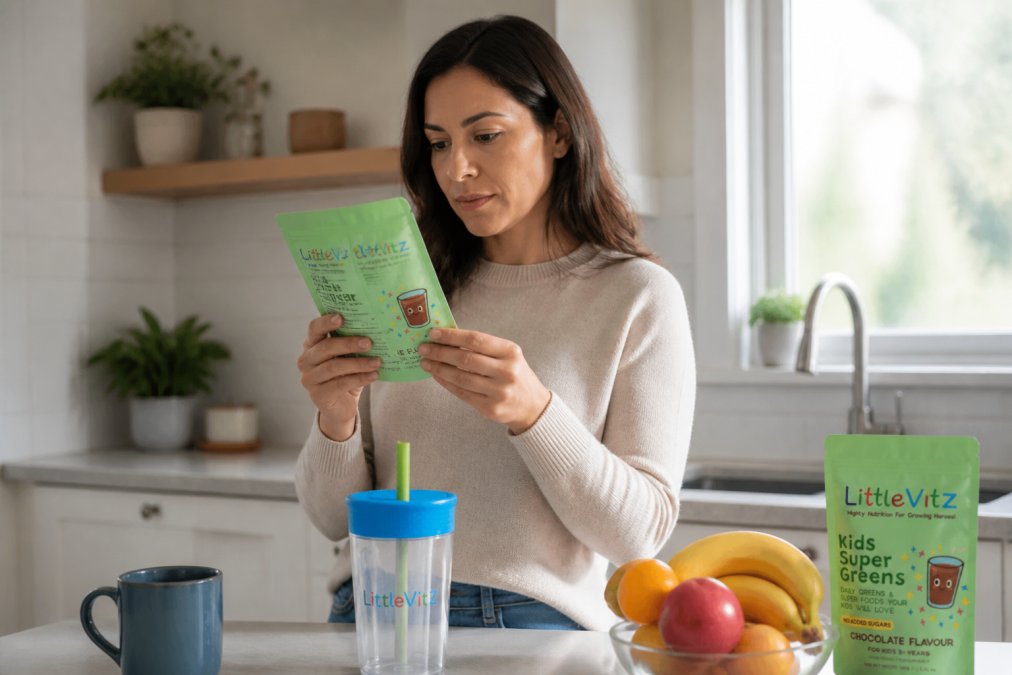
Check for heavy metal testing. A quality brand will have third-party test results available. If they don't publish them, that's a red flag.
Look at the sweetener. Stevia or monk fruit means minimal metabolic impact. Erythritol is also a solid choice. If it's aspartame or sucralose, that's not inherently bad, but you should know what you're choosing.
Consider the sugar content. Some "sugar-free" products still contain sugar alcohols that contribute carbohydrates. Check the nutrition label carefully if your child has metabolic issues or you're trying to minimise carbohydrate intake.
Taste matters, but it's secondary to nutrition and safety. A powder that tastes perfect but contains heavy metals or poor-quality ingredients is a bad choice. A powder that tastes decent and contains real nutrients is a good choice.
LittleVitz Kids Super Greens is formulated with this philosophy. It combines real cocoa with over 30 vitamins, minerals, and superfoods, including real greens and fruits, without added sugar. The formula is designed specifically for children who are picky eaters, supporting healthy growth, focus, and immunity. For parents who've struggled to get their children to consume vegetables or vitamins, it addresses the core problem: making nutrition something children want to consume rather than something they resist.

Choosing a sugar-free chocolate powder isn't just about finding a treat that happens to be healthy. It's about solving a real parenting problem: getting your child the nutrients they need without daily battles. The best powder is the one your child will drink consistently, made from quality ingredients tested for safety, and formulated to actually deliver what you're paying for. When you find that powder, you've found something genuinely valuable, not just for your child's nutrition, but for your own peace of mind.
Frequently Asked Questions
Is sugar-free chocolate powder actually healthy for children?
Sugar-free chocolate powder can be healthy when made with quality ingredients and minimal artificial additives. Cocoa powder contains polyphenols and flavonoids, antioxidants that support cardiovascular health and reduce oxidative stress. The key is choosing minimally processed options without excessive sweeteners, and using them as part of a balanced diet rather than a substitute for whole foods. Many parents find it helpful for getting picky eaters to consume nutrients they'd otherwise refuse.
What artificial sweeteners in kids' drinks should I avoid?
Common sweeteners like aspartame, sucralose, and saccharin have been studied extensively, but some parents prefer to minimise artificial alternatives altogether. Stevia and erythritol are naturally derived options with fewer concerns about insulin sensitivity and are often considered gentler for children's digestion. Always check the ingredient label and consider your child's individual sensitivities. If your child has digestive issues, introduce any new sweetener gradually and monitor for reactions.
How much chocolate powder do I need to give my child daily to fill nutritional gaps?
Most sugar-free chocolate powders are designed as a supplement, not a meal replacement. Typical serving sizes are one scoop (around 10-15 grams) mixed into milk or another beverage once daily. This should be part of a broader diet that includes whole fruits, vegetables, and proteins. Check the specific product's serving recommendation and speak with your child's GP or a dietitian if you're concerned about nutritional gaps, especially if your child has a restricted diet or sensory feeding issues.
Can sugar-free chocolate powder cause digestive issues in children with sensitive stomachs?
Some children may experience sensitivity to certain ingredients, particularly artificial sweeteners or high fibre content. If your child has a history of digestive upset, introduce the powder gradually in small amounts and monitor for bloating, constipation, or discomfort. Look for formulas designed with digestive support in mind and avoid products with excessive added fibre unless your child needs it. Always check the full ingredient list and discuss any concerns with your child's healthcare provider before introducing a new supplement.
This article was written using GrandRanker