
6 Ways Sensory-Sensitive Kids Get 30+ Whole-Food Nutrients. In One Safe, Familiar Chocolate Drink
For kids whose safe-food list fits on one hand, the barrier isn't willpower — it's how a food feels and tastes. Here's why that changes what actually works, and the one familiar format sensory-sensitive kids will accept.
Read this BEFORE you write off another supplement your sensory-sensitive kid won't touch.
|
Gummy Vitamins | |
|---|---|---|
| Added Sugar | 0g | 2–4g |
| Ingredient Source | 30+ whole-food blend | Synthetic isolates |
| Safety Certifications | ✓ HACCP, GMP, 3rd-party tested | Rarely certified |
| Sensory-Friendly | ✓ Chocolate milk texture | Chewable (sensory barrier) |
| Artificial Additives | Zero—vegan, dairy-free, non-GMO | Often contain artificial sweeteners |
| Manufacturing | UK made—strict standards | Often offshore sourced |
| The verdict | ✓ | – |
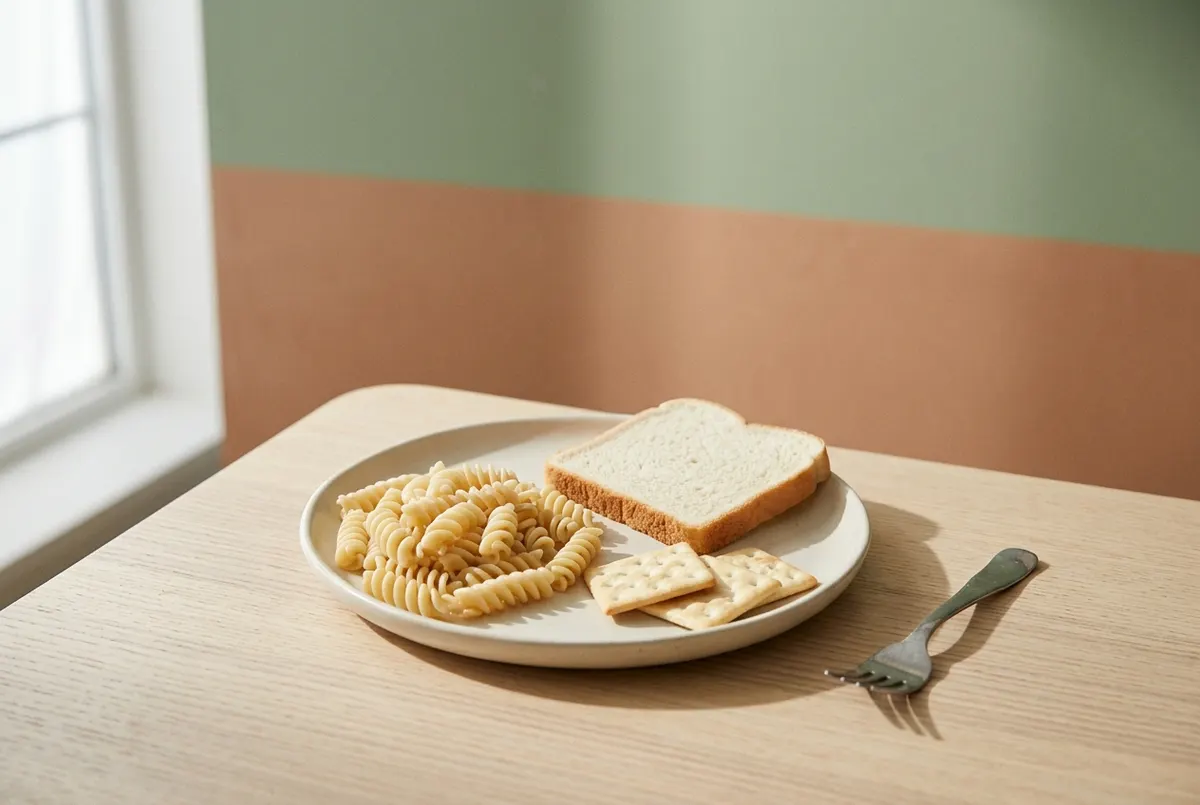
If your child lives on beige food and refuses fruit and veg, iron and vitamin D are probably short.
Many UK kids run low on these two from food alone. That gap drags down energy, focus, immunity. The fix only works if they'll drink it. Here are the 6 reasons why. 👇

Your Child's Safe Foods Don't Carry Iron, Vitamin D, or Folate

Sensory Kids Reject Supplements on Texture and Aftertaste Before You Finish Pouring
A child with sensory processing challenges doesn't experience a chalky texture or grassy aftertaste as mildly unpleasant, the nervous system reads it as genuinely unsafe. Most greens powders taste like lawn clippings. Gummies stick to teeth with a waxy chew many sensory kids refuse on contact. Tablets are non-starters.
The supplement never makes it past the first sip, no matter how clean the ingredient list is. Taste and texture aren't preferences - they're hard sensory boundaries the brain enforces. A chocolate flavor with zero veggie undertone, one that tastes like the chocolate milk already on the safe list, changes a supplement from another mealtime refusal into something the child reaches for.

Whole-Food Blends Beat Synthetic Isolates on Absorption and Completeness
Most gummy vitamins are built on isolated synthetic nutrients — single compounds pressed into sugar syrup. A whole-food greens powder delivers nutrients the way they exist in nature: bundled with the cofactors, enzymes, and phytonutrients the body uses to actually absorb them. Vitamin C from acerola cherry comes with bioflavonoids that help cells take it up.
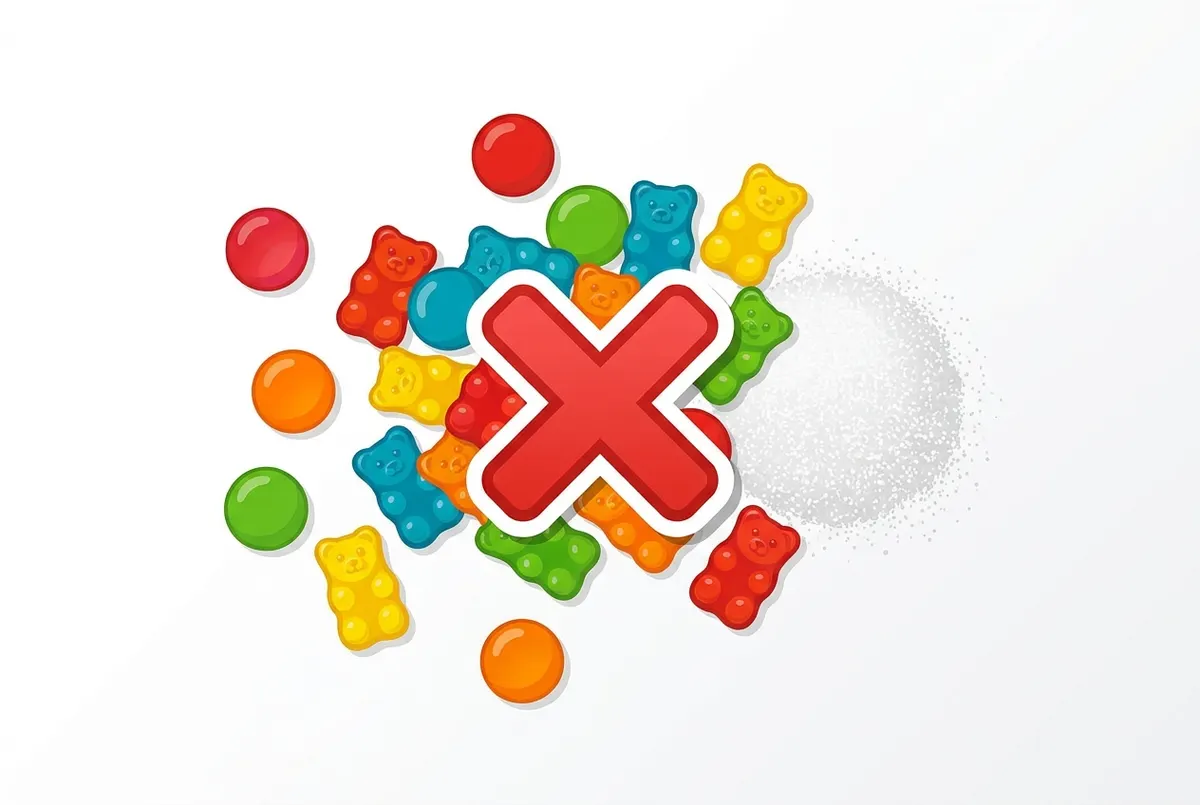
Iron from spirulina lands with chlorophyll and trace minerals that support red blood cell formation. Gummies also carry 2–4 grams of added sugar per serve and skip the doses kids with restricted diets actually need. A whole-food powder formulated by nutritionists — no added sugar, 30+ ingredients instead of 8–12 isolated vitamins — fills the gaps a beige diet leaves without adding new problems.
Low Iron Is Why They're Tired in a Way Sleep Doesn't Fix
When a child eats five safe foods and none of them are red meat, lentils, or fortified cereals, iron runs low first. Iron helps red blood cells carry oxygen to muscles and the brain. Short on it, kids get tired in a way sleep doesn't fix: slow to wake, flat by mid-afternoon, quicker to melt down. Parents blame disrupted sleep or a growth spurt. The real story is what's missing from the plate.
The UK's National Diet and Nutrition Survey found over 50% of children aren't getting enough iron. For selective eaters, that number climbs higher. A greens powder with spirulina, chlorella, and leafy greens — all naturally rich in bioavailable iron — closes that gap when the dinner plate won't.
UK Manufacturing Standards Are the Safety Gates That Matter
Manufacturing location matters. UK-made supplements are held to GMP and HACCP standards - the same food safety protocols governing infant formula and medical nutrition. Offshore manufacturing often bypasses those gates. For a child whose safe-food list is five items long, the supplement joining that list should be the most scrutinised thing in the kitchen.
Nutritionist-formulated blends produced under UK regulations and verified by independent labs are the only ones worth the risk.
Focus Frays First When B-Vitamins and Folate Run Short
A growing brain runs on iron, folate, and B12 — the nutrients that help nerve cells talk to each other, form new connections, and sustain attention. When a child's diet is five safe foods total, these micronutrients are most likely to be missing. The brain adapts by dimming focus first: teachers notice the drifting during lessons, homework stretches into battles, and the child seems to bounce off tasks they could handle six months ago.
For a child who already struggles with sensory regulation, low B-vitamins compound the executive-function load. A greens powder with a full B-complex, folate from whole-food sources like spinach and broccoli, and chelated minerals gives the brain what it needs to hold focus through the school day.
Meet LittleVitz Kids Super Greens
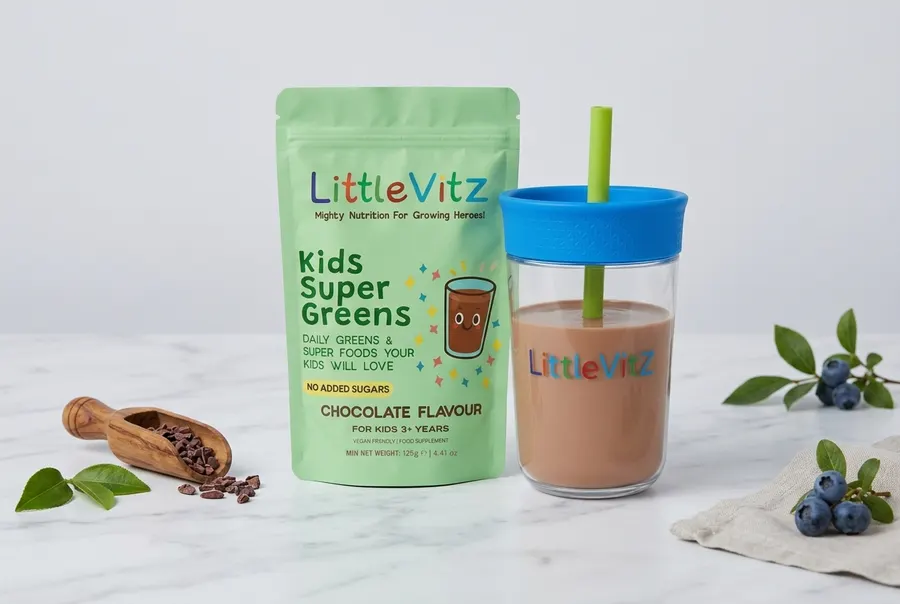
Everything the last points asked for lands in one scoop and it clears the bar sensory-sensitive kids never let anything past.
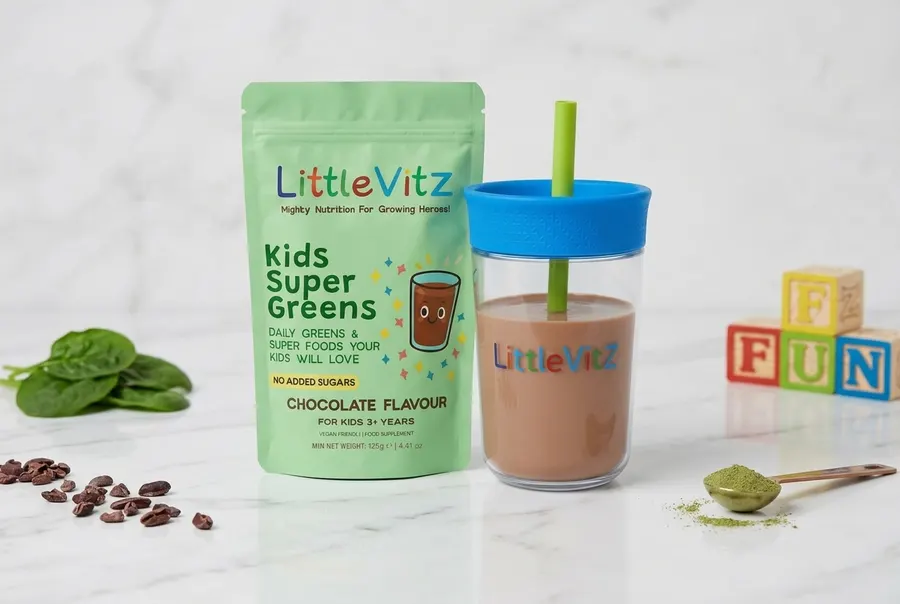
LittleVitz is the UK's first greens powder built specifically for children. 30+ whole-food ingredients — iron, vitamin D3, vitamin C, calcium, and B-complex that a short safe-food list leaves missing. No added sugar. No gritty texture, no earthy smell, none of the sharp aftertaste that makes a child with ARFID push a cup away on the first sip. Made in the UK under strict food-safety standards.
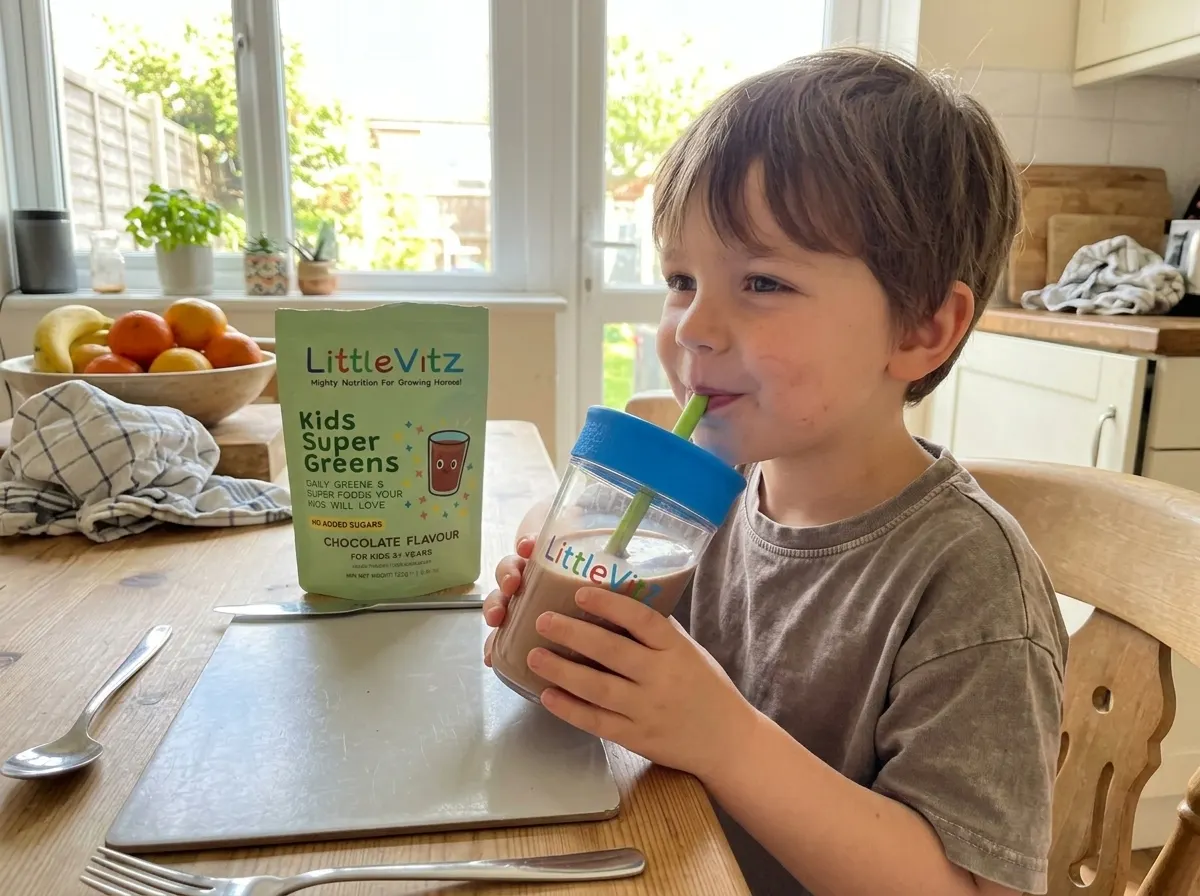
It tastes like chocolate milk. For a kid whose brain treats an unfamiliar texture or grassy note as genuine alarm, taste is the whole gate. Formulated by nutritionists for ages 3+, it's the rare version these eaters actually ask for by name. And the one they'll drink is the only one that ever fills the gap.
Cancel anytime — because trying it shouldn't feel like a gamble
For a parent of a child with ARFID or sensory processing challenges, you already know the drill: you buy the thing, your kid takes one look, one sniff, one suspicious sip — and it joins the graveyard of rejected foods in the back of the cupboard.
That's why the subscription runs on one-click cancel with no minimum orders. You're not locked into anything. If the chocolate flavoUr doesn't clear your child's safe-food radar, you stop after the first tub — no phone calls, no hoops.
The only thing you're really trying is whether a familiar, sweet, texture-consistent drink lands where bitter gummies and grassy powders never could. For a lot of sensory-sensitive kids, that's exactly the shape that works.
The reviews are in
What parents of picky eaters are saying.
"Loved by fussy eaters"
"100% Kid-Approved Taste"
"I purchased the Super greens and cups as my toddler struggles to eat breakfast and really doesn't like eating fruit and veggies! He loves a smoothie and I was struggling to find a decent cup to give him the smoothie in. Most with non removable straws on the highstreet are much too small. Needless to say he loves the taste of the smoothie and the cu"
"To say I have struggled with my kids and what they eat is the understatement of the century! They never seem to want to eat anything that isn't beige and fight me on everything. I bought this because one of my kids tried it at a one of their friends houses and she actually liked it. Since then both my daughter and son have had it every morning, the"
"This has been great for my son who quite literally will eat nothing that isn't beige. Tastes great, he likes it just with cold milk, but we do sometimes make pancakes that he wolfs down. I highly recommend if you have a small picky eater."