7 Reasons Forcing Vegetables Never Works for Kids With Sensory Food Aversions
For kids whose brains reject certain smells and textures, a smooth chocolate drink slips past the sensory wall that a plate of greens never could.
When it's not fussiness, it's the smell of broccoli
For a child with sensory food issues or ARFID, a plate of vegetables isn't a negotiation — it's a wall. The smell, the colour, the slimy or stringy texture can trigger a real, physical no. That's not stubbornness. It's the brain reading the food as a threat before the fork gets anywhere near their mouth.
So you can serve greens every night. You can plate them ten different ways. A single leaf still won't get past a child whose nervous system flinches at the texture — and pushing harder only makes mealtimes a battle nobody wins.
This is where the whole approach has to change. Not another vegetable dressed up as a snack. A format built around what these kids will accept — familiar, smooth, and chocolatey — so the nutrition slips past the sensory alarm instead of setting it off.
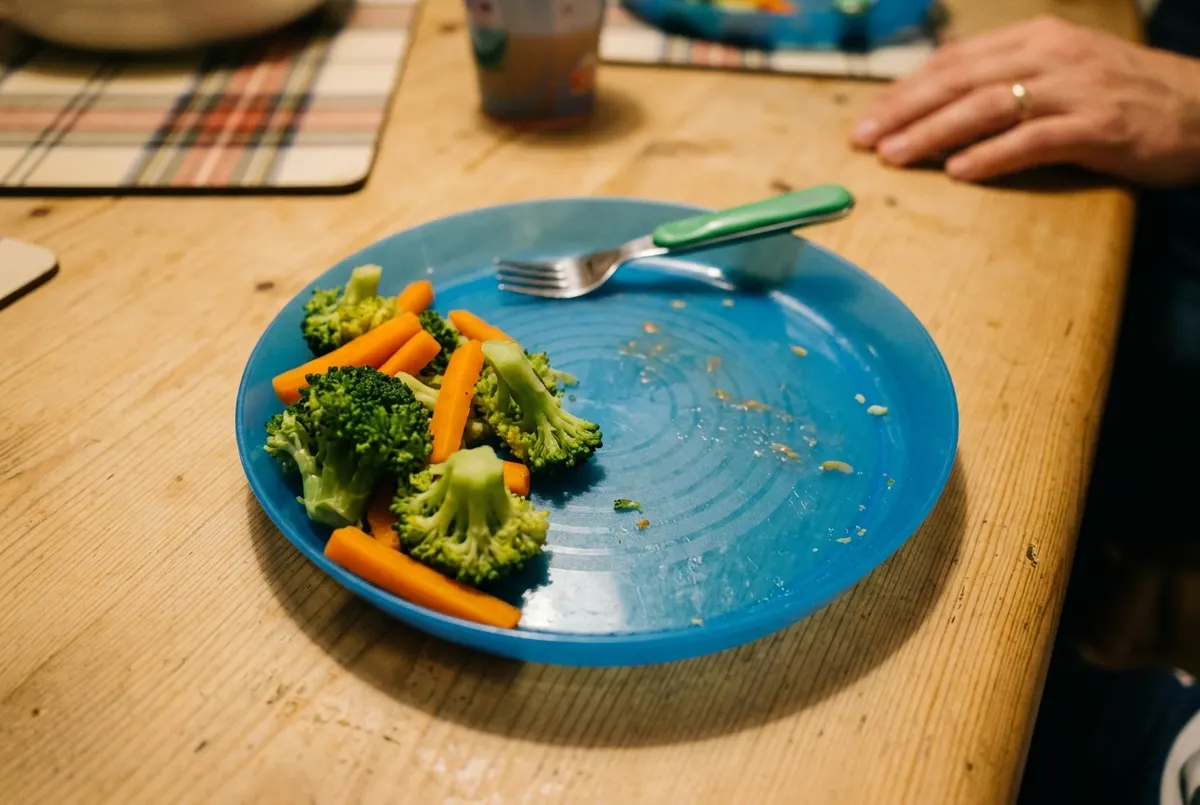
A Sensory-Averse Child Isn't Refusing Food—They're Reacting to It
Most people call it fussiness. But for kids with sensory food issues or ARFID, it's not defiance—it's a physical, neurological response to texture, smell, or appearance that triggers genuine disgust or anxiety. The wet surface of a cooked carrot, the grainy feel of a leafy green, the smell of steamed broccoli—these aren't just preferences. They're sensory alarms the child can't override. When a diet narrows to a handful of safe foods (toast, plain pasta, crackers—the beige list), the nutrients go missing, because the foods that carry iron, vitamin D, folate, and calcium never make it past the sensory wall.

Whole Food Groups Drop Off the Plate, Not Just Single Vegetables
Ordinary picky eating skips peas. Sensory food aversion skips anything green, anything wet, anything that isn't a known shape. The diet contracts to a narrow rotation—often beige carbohydrates, dry crackers, plain chicken, white bread. When entire categories disappear (leafy greens, fruits, legumes, dairy, whole grains), the nutritional gaps aren't scattered. They cluster. Iron, B-vitamins, magnesium, vitamin D, and calcium all go missing at once, because the foods that deliver them live in the rejected categories. The child isn't choosing poorly. The brain is rejecting the sensory input before the fork reaches their mouth.

The Brain Chemicals That Power Focus Come From the Foods They Won't Touch
Iron fuels attention. Folate and B12 power memory and learning. Magnesium calms the nervous system. And every single one of them lives in the foods a sensory-averse child avoids: leafy greens, wholegrains, lean proteins, legumes. When those foods never reach the plate, the nutrients that build neurotransmitters and support steady focus quietly run low. Teachers notice the fidgeting, the distraction, the difficulty finishing tasks—but the connection back to what's missing from the breakfast table gets overlooked. The brain can't focus on an empty tank.
Support Their DigestionLoved by fussy eaters
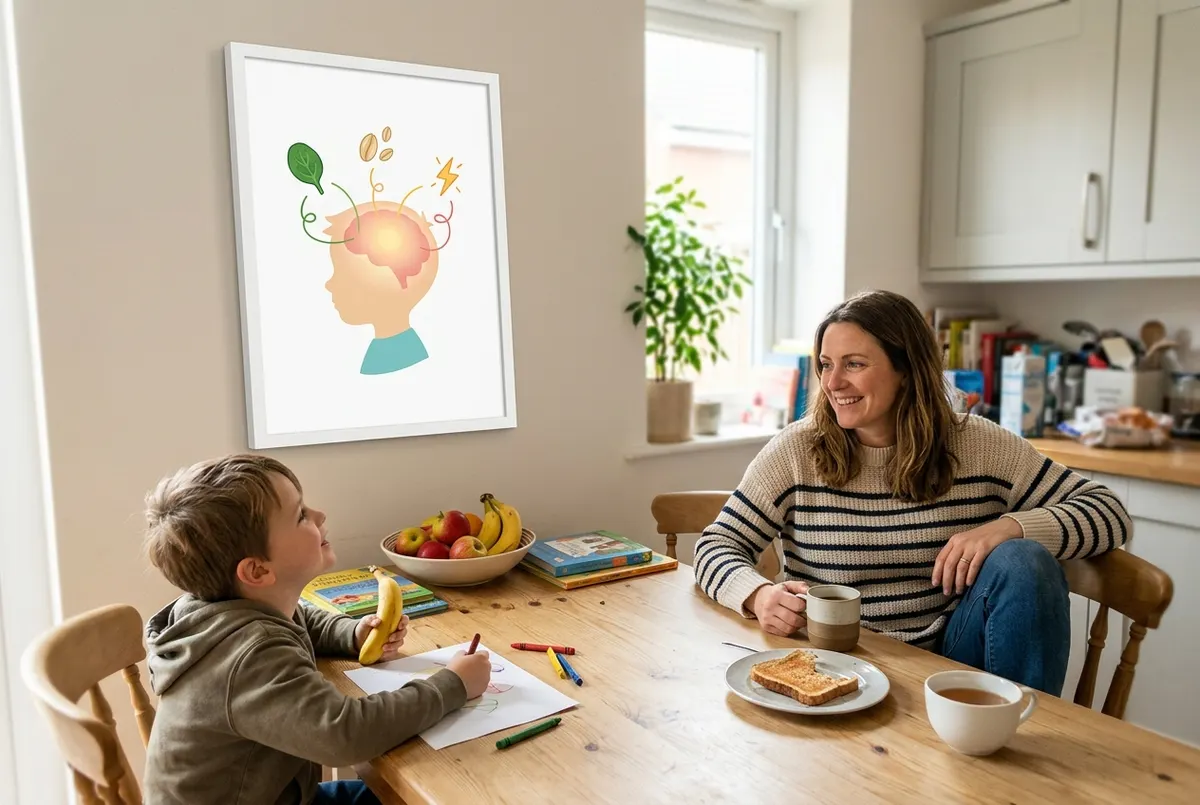
Texture Aversion Isn't Solved by Hiding Vegetables—It's Solved by Removing Them
Blending spinach into a smoothie doesn't work when the child can detect the grainy texture or the faint bitter note underneath the fruit. Pureeing cauliflower into mac and cheese fails the moment they notice the smell or the slight change in color. Sensory-sensitive kids aren't fooled—they're wired to notice. The answer isn't better camouflage. It's a format that bypasses the sensory trigger entirely: a chocolate-flavored drink that tastes like chocolate milk, with zero veggie flavor, no grassy aftertaste, no texture markers the brain flags as unsafe. When nutrition stops looking, smelling, and feeling like the foods they can't tolerate, the daily fight disappears.
Skip the Hiding Game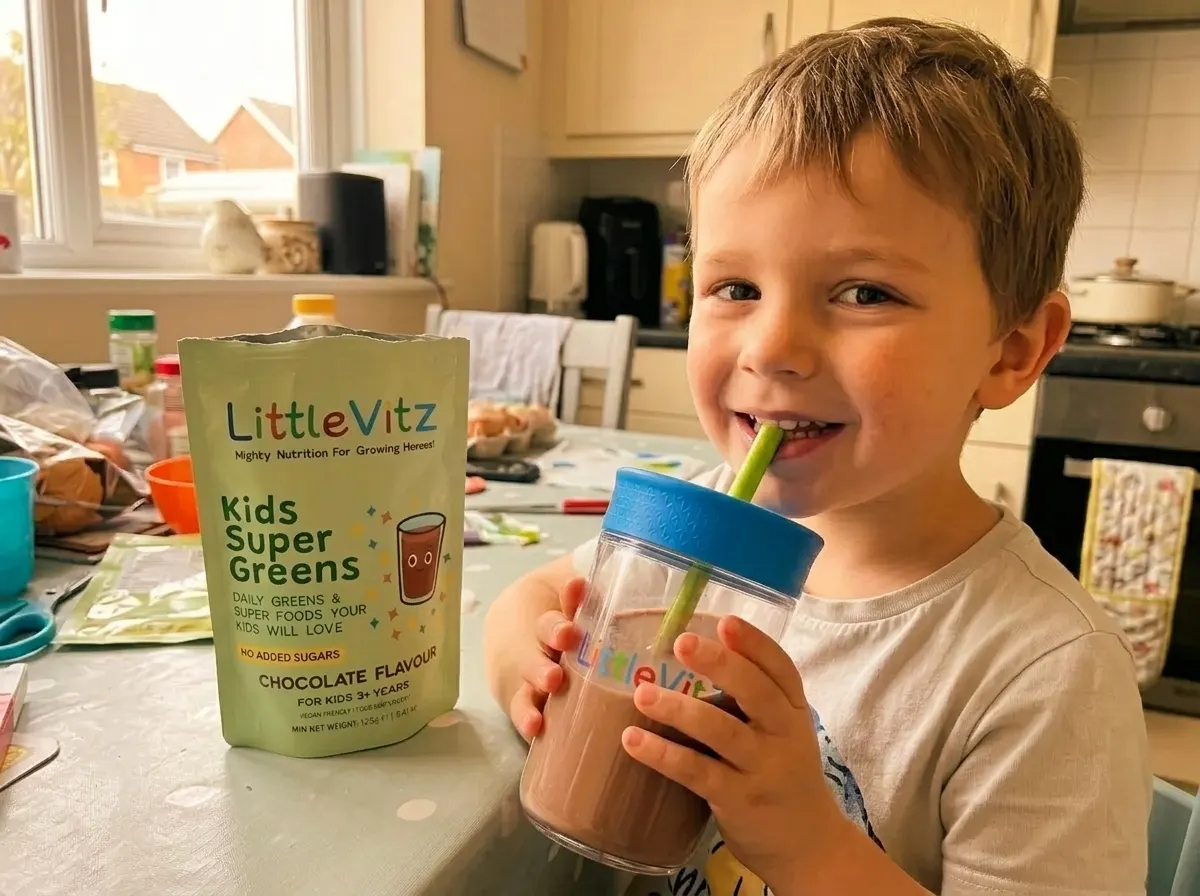
A Gut Missing Fiber and Greens Struggles to Absorb What Little Nutrition Gets In
Here's the part most parents don't hear from the pediatrician. Digestion isn't just about comfort—it's about efficiency. A gut that's chronically low on fiber, plant compounds, and the gentle nutrients from leafy greens (magnesium, folate, vitamin K) doesn't break food down as well. Absorption slows. The body pulls less nutrition from every meal. So when a sensory-averse child finally accepts a safe food—plain chicken, white rice, a piece of toast—their gut may only extract a fraction of what's there. Filling the gap isn't just about adding vitamins back. It's about giving the digestive system the fiber and whole-food compounds (barley grass, spirulina, oat fiber) it needs to actually use them.
See How Digestion Works
Chocolate Wins When Broccoli Triggers a Meltdown
You can't logic a sensory-averse child into liking vegetables. The aversion is real, physical, and exhausting to fight every single day. Mealtime becomes a battle neither side can win—the parent desperate to get nutrition in, the child experiencing genuine distress at the smell, texture, or appearance of the food. The smarter move isn't more pressure. It's meeting the child where their sensory system allows. When the same nutrients arrive in a format the brain accepts—tastes like chocolate milk, smooth texture, zero veggie flavor—the fight ends. Kids with sensory processing differences and ARFID will happily drink something they'd refuse on a plate, because the delivery bypassed the sensory alarm entirely.
Try the Chocolate Route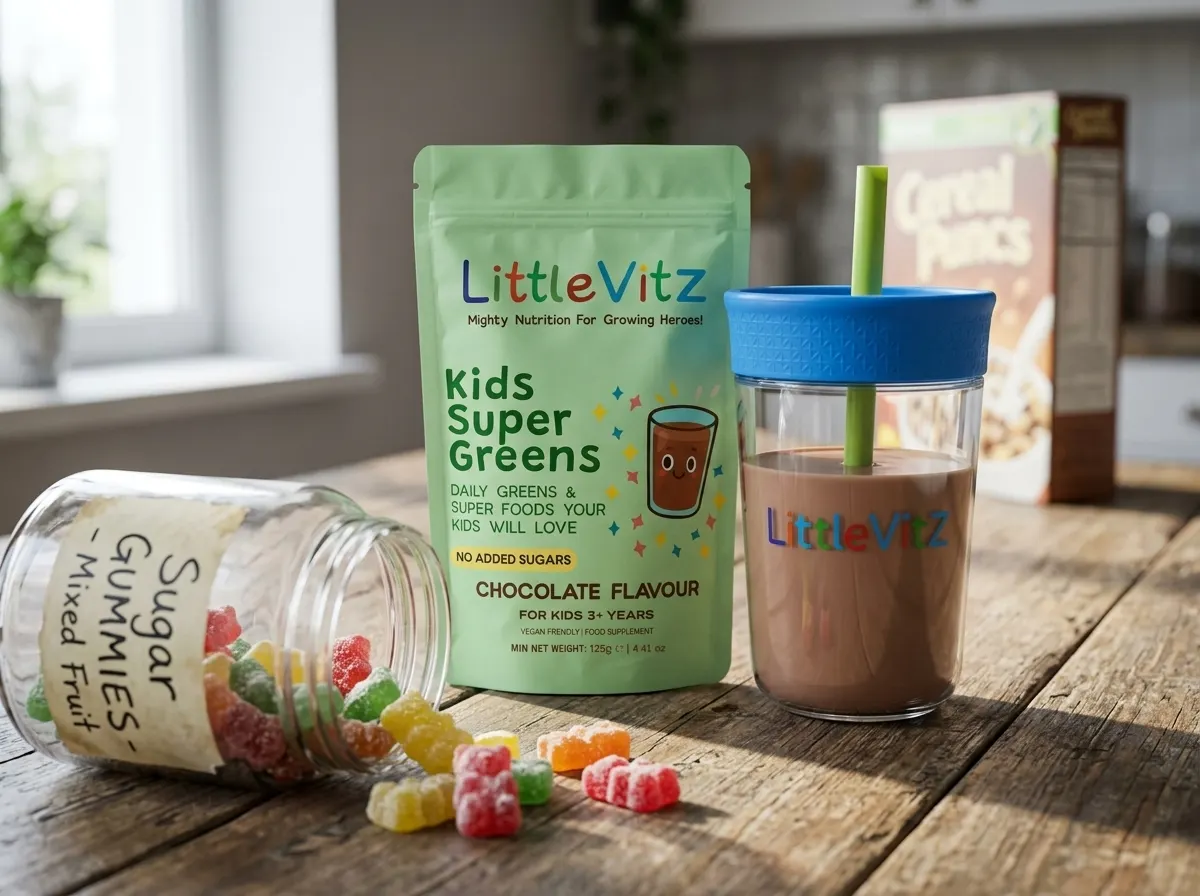
Sugar-Packed Gummies Trade One Problem for Another—and Sensory Kids Often Reject Them Anyway
Chewy vitamins seem like the easy answer. Until you realize many are loaded with added sugar (up to 3g per gummy), cover only a handful of vitamins (usually just C, D, and a weak B-complex), and still get refused by sensory-averse kids who can't tolerate the sticky, rubbery texture or the artificial fruit smell. You end up feeding sugar to solve a nutrition gap—and the child still won't eat them consistently. The better standard for a sensory-sensitive child: zero added sugar, no artificial sweeteners or colors, a wide spectrum of 30+ whole-food nutrients (not three token vitamins), and a liquid format with a familiar, accepted flavor profile. No chewing. No texture traps. Just nutrition the child will actually take every day.
See the Sugar-Free OptionMeet LittleVitz Kids Super Greens
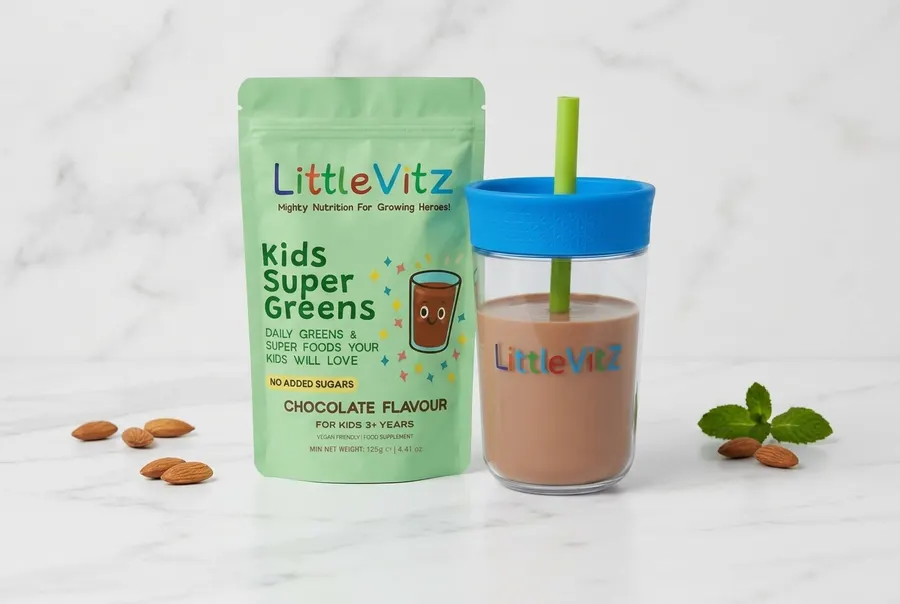
Everything a resistant child needs, hidden in one thing they'll actually drink.
If your child gags at the sight of broccoli, refuses anything green, and lives on a beige-only plate, the problem was never willpower — it's how their brain reads texture, smell, and colour. LittleVitz was built for exactly that child. It's the UK's first greens powder made for kids, and it tastes like chocolate milk — no grassy smell, no veggie flavour, no gritty texture to trip a sensory alarm.
Inside that one smooth scoop: 30+ whole-food ingredients like spirulina, chlorella and barley grass, real vitamins including D3, C, K2 and B-complex, plus calcium and iron. Zero added sugar, sweeteners, colours or preservatives. Nutritionist-formulated for ages 3+, made in the UK under strict food-safety standards, and third-party tested for purity.
For a sensory-averse or ARFID child, that's the whole point — the nutrition their diet keeps missing, in a format their brain finally says yes to.
Ready to Start?
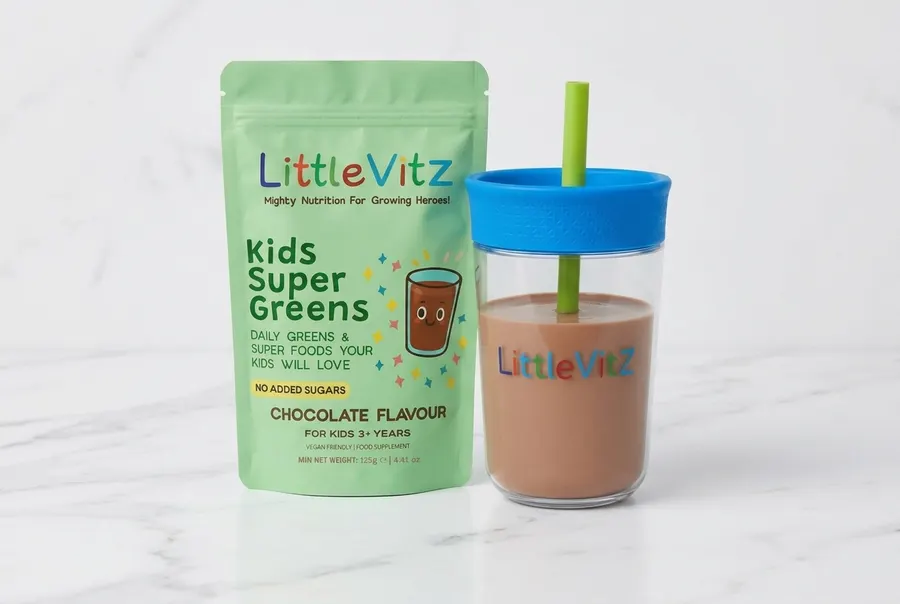
How long until you notice a difference?
Filling a nutrient gap isn't an overnight fix — it's a daily habit that compounds. Here's a realistic picture of what the first weeks tend to look like for a sensory-averse child settling into a new morning routine.
How does it actually compare?
Gummies, standard multivitamins, and a greens powder built for kids aren't the same thing, even though they promise the same outcome. The differences that matter most to a parent of a picky eater are sugar, nutrient spread, and whether the child will accept it at all.
| LittleVitz Kids Super Greens | Standard Kids Gummy Vitamins | |
|---|---|---|
| Nutrient count | 30+ | 3-8 |
| Added sugar | 0g | 2-4g |
| Third-party tested | ✓ | rarely |
| Manufacturing origin | UK | offshore |
| Digestive support | ✓ | missing |
What do Kids Super Greens customers say?
Most parents who try it start from the same place of doubt — a child who refuses almost everything and a shelf of rejected vitamins. What changes is worth reading in their own words.
Ready to Start?
Questions parents ask before they start
The questions parents of picky and sensory-averse eaters ask most: will my child actually drink it, is it worth the price against cheaper gummies, and is it genuinely safe for a three-year-old? Here are the straight answers.