

Last Updated: November 13, 2026
Quick Summary
Children need protein spread across the day, with roughly two to four child-sized servings depending on age, rather than one large helping at dinner. Useful sources include eggs, beans, lentils, yoghurt, cheese, chicken and fish, and small snacks help build protein intake for kids without stressful mealtimes.
- Toddlers usually need two to three small protein servings a day.
- Children aged 4 to 6 typically need about three servings.
- Older children aged 7 to 10 need three to four servings across the day.
- Spread protein across breakfast, lunch, snacks and dinner rather than one big meal.
- Hide lentils or beans in tomato sauce or soup to help fussy eaters.
Table of Contents
- Why Protein Matters for Growing Children
- How Much Protein Do Children Need?
- High-Protein Foods for Kids to Build Into Everyday Meals
- Protein-Rich Breakfasts Kids Will Happily Eat
- Protein Snacks for Kids Between Meals
- Protein-Rich Meals for Picky Eaters
- Sneaking Protein Into Favourite Foods and Mealtime Routines
- Your Next Step: Building a Protein-Friendly Week of Meals
- Frequently Asked Questions
Why Protein Matters for Growing Children
Protein is one of the building blocks your child's body uses to grow, repair itself and fight off everyday bugs. Getting enough protein intake for kids helps support muscle development, keeps tummies feeling full between meals and works alongside other nutrients to fuel busy days at school and play.
Because children are growing fast, they need a steady supply throughout the day rather than one large helping at dinner. Spreading protein across breakfast, lunch, snacks and dinner is usually easier for little appetites to manage, and it fits naturally into family meals.
How Much Protein Do Children Need?
Protein needs shift with age, size and how active your child is, so a toddler's portion looks very different from a nine-year-old's. Protein needs rise steadily through childhood, and most children eating a varied diet already get enough without anyone counting a single gram.
As a rough working guide, it helps to think in child-sized servings rather than numbers:
- Toddlers (around 1-3 years): roughly two to three small protein servings a day, for example a boiled egg at breakfast, a few tablespoons of lentils at lunch and a yoghurt at tea.
- Young children (around 4-6 years): about three servings, such as a portion of fish fingers, a cheese sandwich and a handful of beans in a sauce.
- Older children (around 7-10 years): three to four servings, including a larger piece of chicken or fish, eggs, dairy and pulses across the day.
- Teenagers: appetite and growth spurts rise sharply, so four or more servings plus regular snacks usually fits the bill.
A 'serving' here is deliberately modest, a child-sized portion, not an adult plate. Two eggs, a small pot of yoghurt, a tablespoon of nut butter, a small fillet of fish or three tablespoons of beans each count as one. Spreading these across breakfast, lunch, tea and snacks suits small appetites far better than one big helping at dinner.
Watch out: if your child is a very fussy eater, is losing weight, or has been advised about their diet by a clinician, treat these as rough guides only and ask your GP, health visitor or a registered dietitian to check what suits your family.
High-Protein Foods for Kids to Build Into Everyday Meals
Many familiar foods are excellent sources of protein. Eggs, chicken, fish, beans, lentils, yoghurt, cheese and milk can all be served in ways that suit little hands and palates.
Try these easy additions:
- Stir lentils or mashed beans into pasta sauces so the flavour stays familiar.
- Add grated cheese or a spoonful of Greek yoghurt to jacket potatoes and baked veggies.
- Use shredded chicken or tinned fish in wraps, quesadillas or sandwiches.
- Serve eggs scrambled, boiled or folded into an omelette with soft vegetables.
- Offer hummus or nut butter (if no allergies) with breadsticks, pitta or apple slices.
Mix a protein food into a meal your child already likes, rather than introducing something completely new on the same plate.
Protein-Rich Breakfasts Kids Will Happily Eat
Breakfast is a great opportunity to start the day with protein. Porridge made with milk, a spoon of yoghurt on top and a sprinkle of seeds makes a satisfying bowl that many children enjoy.
You could also try scrambled eggs on wholegrain toast, or overnight oats made with milk and yoghurt and topped with fruit. Our own LittleVitz Hot Chocolate recipe is a cosy way to start a chilly morning with a little extra nourishment.
For a warm drink that doubles as a nutrition boost, our Healthy Chocolate Drink for Picky Eaters: 4 Easy Ideas gives you simple options your child may happily finish.
Protein Snacks for Kids Between Meals
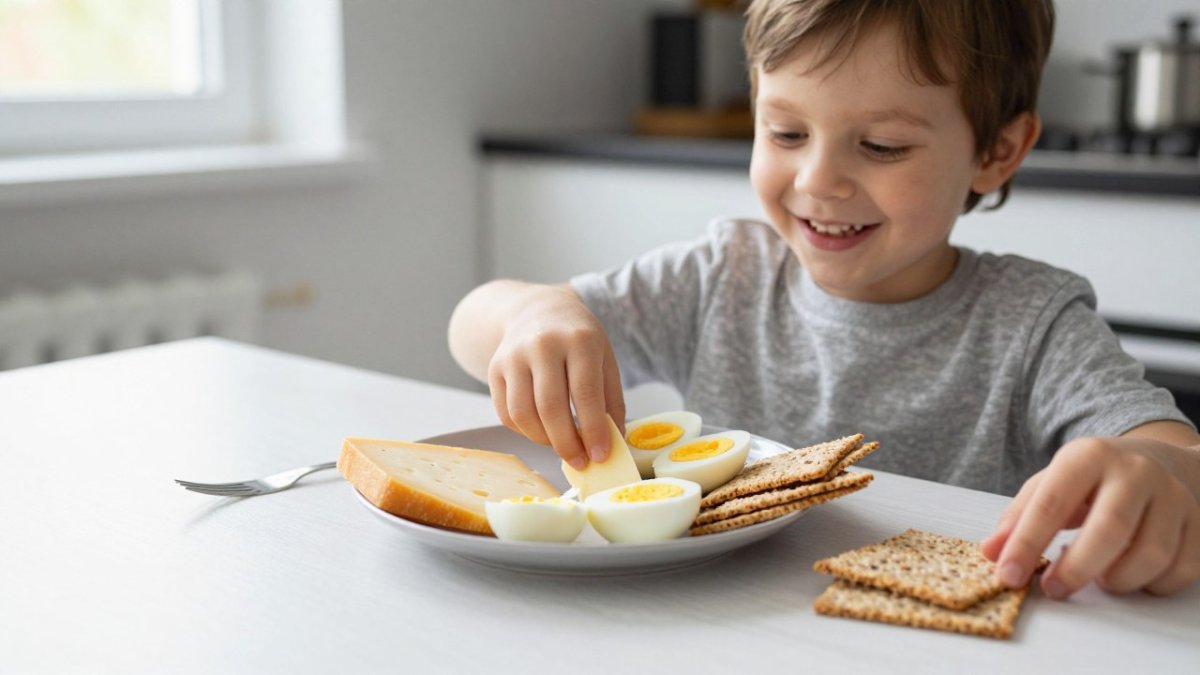
Snacks are where many children get a surprising amount of their daily protein, so it is worth planning them as part of your protein intake for kids. Think of simple combinations: cheese cubes with cucumber slices, a boiled egg with a few oatcakes, or natural yoghurt with berries.
Keep portions small and easy to hold, and offer snacks at predictable times so your child arrives at the next meal hungry but not starving.
Protein-Rich Meals for Picky Eaters
Picky eating is extremely common and usually eases with time and patience, but the way you present protein matters as much as which food you choose. Rather than forcing a particular item, keep offering a small portion of something new alongside a familiar favourite, and let your child decide how much to try. That low-pressure approach, often called responsive feeding, tends to work better than bargaining or hiding food without telling them.
Texture is often the real barrier, not flavour. If your child rejects scrambled egg, try it as a firm omelette strip they can hold, or whisked into a savoury pancake. If lentils feel lumpy, blend them smooth into a tomato sauce or soup. If meat is chewy, offer it shredded in a wrap, minced in a bolognese, or as soft meatballs. Offering the same protein in two or three textures across the week lets your child find the version they accept.
Hiding protein in favourite foods can help too. Blend white beans into a tomato sauce, add cooked red lentils to mince dishes, stir a little milk powder into mashed potato, or fold Greek yoghurt into a smoothie. Serve these in familiar shapes and textures your child already accepts, and keep the portions small so the meal still looks like something they recognise.
Allergy-safe swaps matter here as well, because the easiest protein boost is often the one a child cannot have. If dairy is off the table, use fortified soya or oat yoghurt and calcium-set tofu in place of cheese and milk. If eggs are excluded, try mashed beans, hummus or lentil patties. If peanuts or tree nuts are a concern, sunflower seed butter and tahini make good swaps for nut butter, and always check labels for 'may contain' warnings.
Watch out: pressuring a child to 'just try one bite' repeatedly at the same meal can make mealtime stressful, so offer, then move on calmly and try again another day.
Texture is often the real barrier for picky eaters, so here are a few swaps to try.
| Protein food | Texture to try | Hidden-in option |
|---|---|---|
| Scrambled egg | Firm omelette strip | Savoury pancake |
| Lentils | Blended smooth | Tomato sauce or soup |
| Meat | Shredded in a wrap | Minced bolognese or soft meatballs |
| Beans | Blended smooth | Tomato sauce |
| Yoghurt | Folded into a smoothie | Smoothie |
Sneaking Protein Into Favourite Foods and Mealtime Routines
Small changes add up. Swap white pasta for a wholewheat version, choose milk or yoghurt in recipes where it fits, and keep a stock of tinned fish, eggs and cheese for quick meals.
Routines help as well. Sitting down together, offering the same protein foods on a rota and praising effort rather than how much was eaten all make mealtimes calmer.
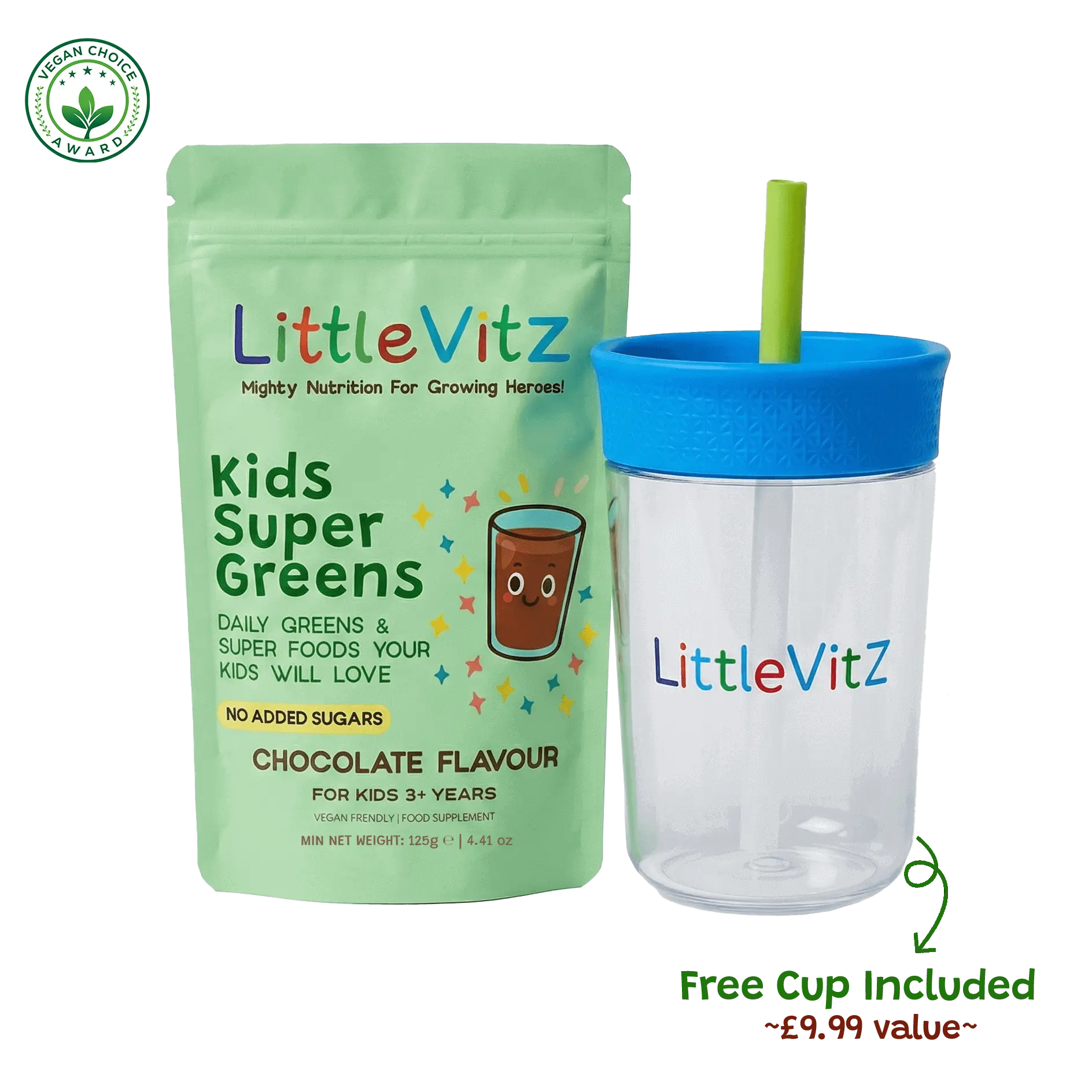
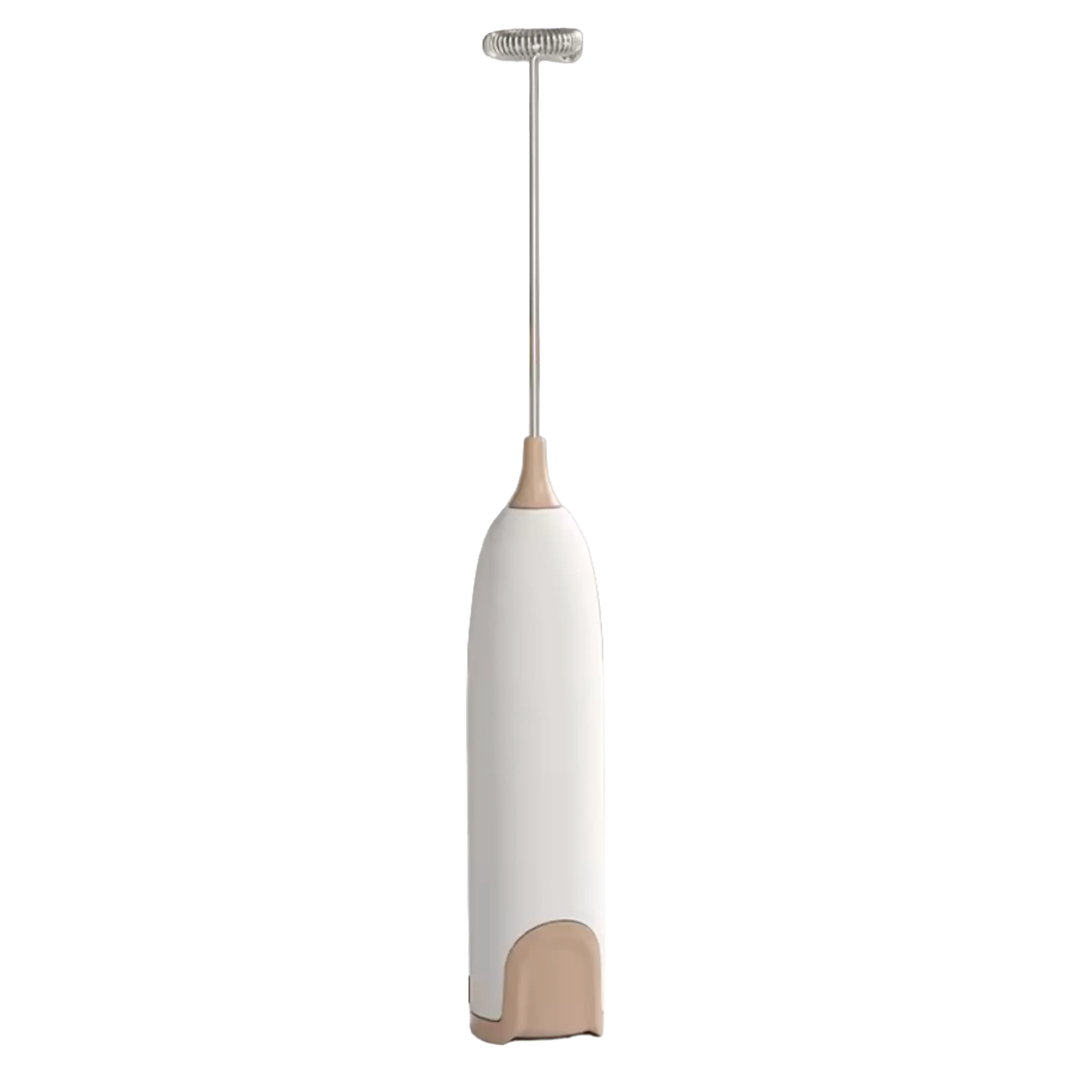
If you like the idea of an easy nutrition boost in drinks and smoothies, our Kids Super Greens chocolate-flavoured powder mixes into milk or a smoothie, and the LittleVitz Milk Frothing Wand helps it blend smoothly.
Your Next Step: Building a Protein-Friendly Week of Meals
Start small. Pick two or three protein ideas from this list and build them into your weekly menu, such as eggs at breakfast on Monday, lentil bolognese on Wednesday and a cheese and egg snack on Friday. Once those meals become part of the routine, high-protein breakfast ideas for picky eaters can help keep the week varied without making breakfast feel like a battle.
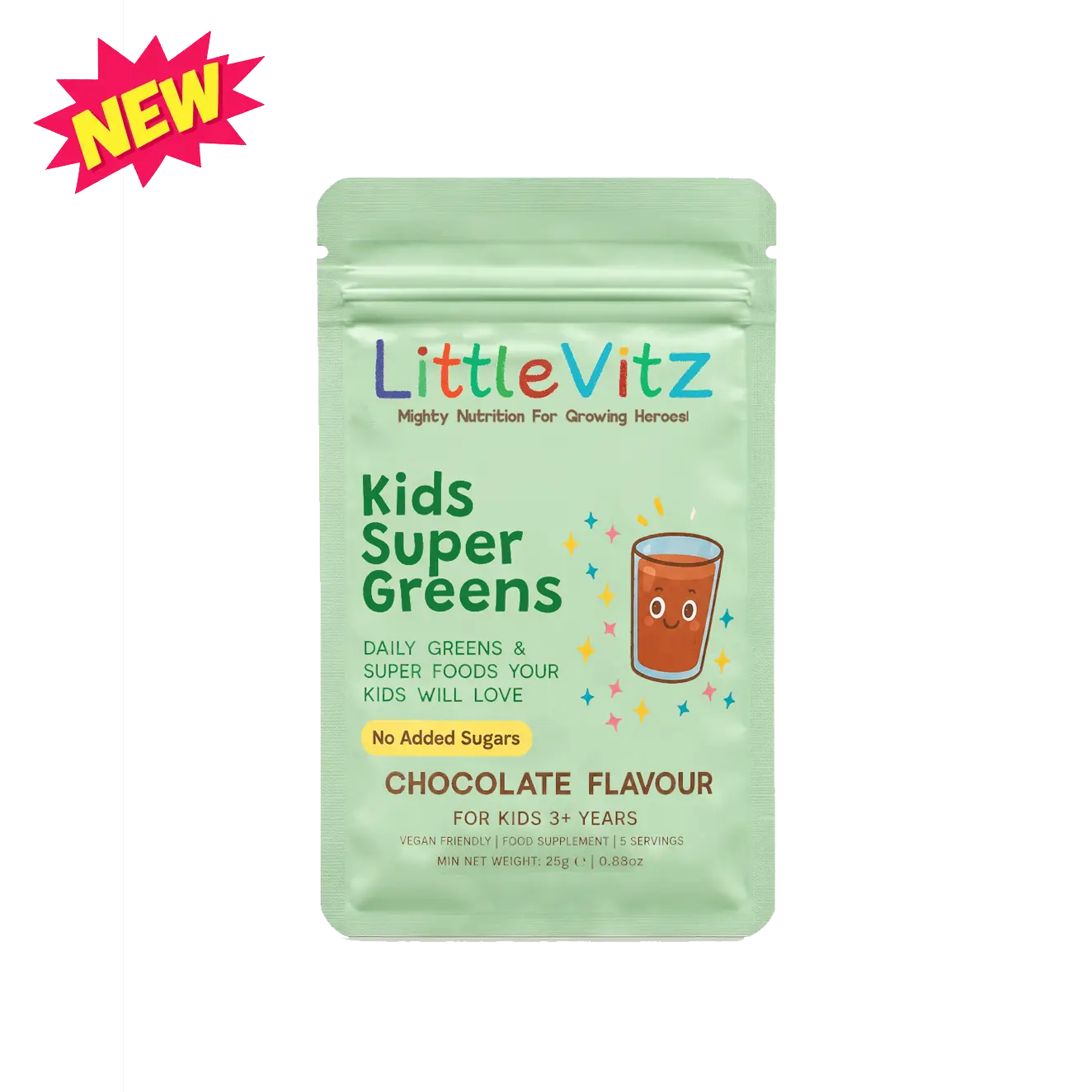
If you want a low-commitment way to add extra nutrition while you experiment, the Kids Super Greens Trial Pouch at £12.00 gives you a small taster to try at home.
Frequently Asked Questions
How can I add more protein to my child's meals?
The easiest approach is to add one protein food to what your child already eats. Stir a spoonful of Greek yogurt into porridge, grate cheese over pasta, mix lentils into a bolognese sauce, or add a boiled egg to a lunchbox. Small additions build up across the day without turning dinner into a battle. Start with one change at a time and keep familiar favourites on the table so your child feels settled while you experiment.
What are easy high-protein snacks for kids?
Good everyday options include plain yogurt with fruit, cubes of cheese, hummus with cucumber sticks, hard-boiled eggs, wholegrain crackers with nut butter where no nut allergy is present, and houmous wraps. Many of these are quick to prepare the night before. Offering two or three choices lets your child feel in control, and pairing a protein with a fruit or vegetable makes the snack more filling and balanced.
Which foods are good sources of protein for children?
Useful protein sources include eggs, chicken, fish such as tinned salmon or sardines, milk, yogurt, cheese, beans, lentils and chickpeas. Plant options like tofu, soy milk and seeds also contribute. Mixing animal and plant sources across the week gives children a good range of nutrients. If your child has a food allergy or limited diet, check labels carefully and speak to your GP or a registered dietitian before making big changes.
How much protein does a child need each day?
Protein needs change with age, body size and activity level, so there is no single figure that suits every child. Most children in the UK eat enough protein through a varied diet that includes dairy, meat, fish, eggs or pulses. If you are unsure whether your child is getting enough, talk to your health visitor, GP or a registered dietitian who can look at your child's individual situation.
